



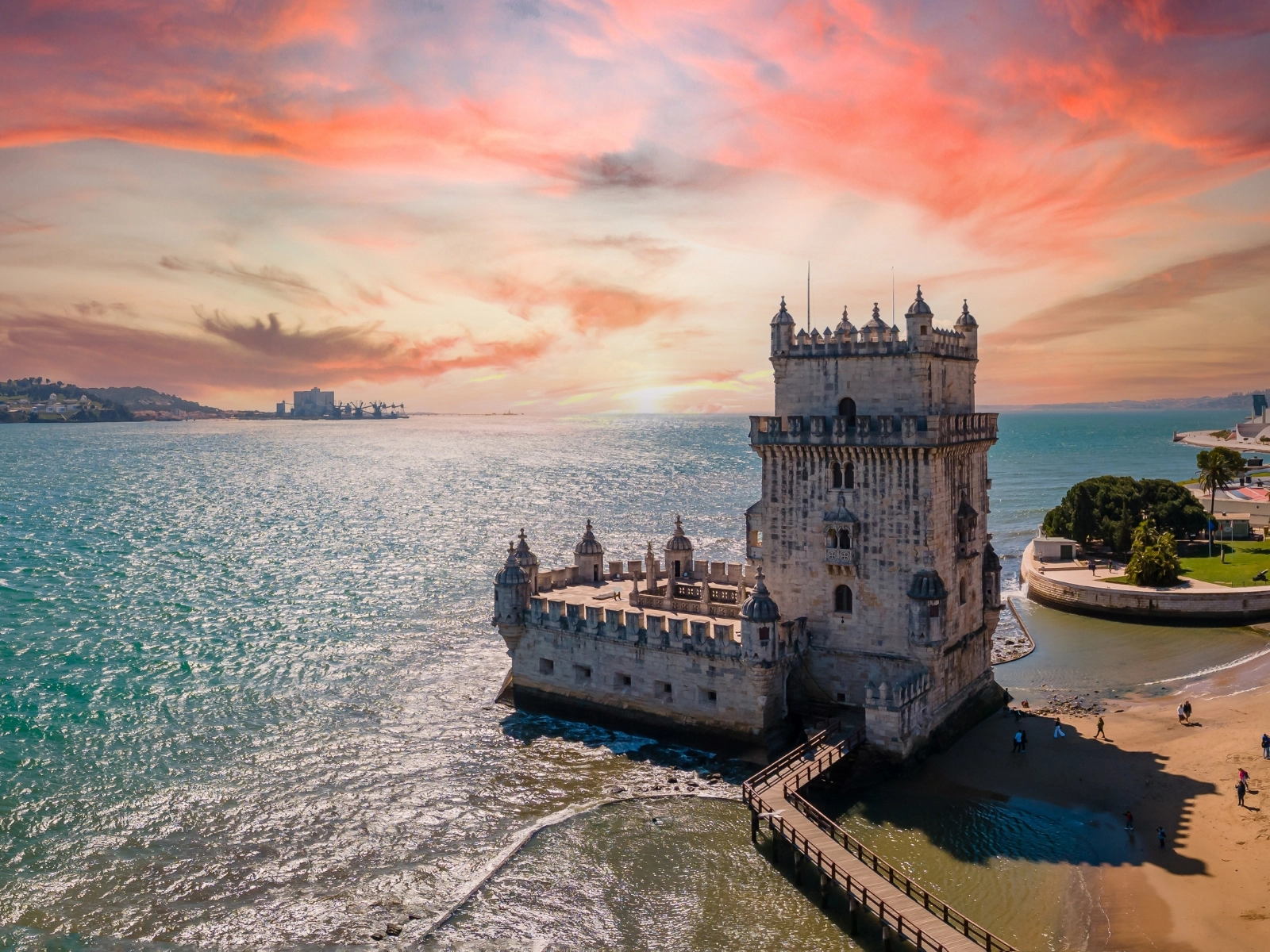
Portugal, a country rich in culture, history, and breathtaking landscapes, offers an array of incredible destinations to explore in March. If you’re looking to visit Portugal, March is an excellent time to experience the country before the peak tourist season begins.
March is considered the shoulder season in Portugal, which means you can enjoy fewer crowds and lower prices compared to the busy summer months. In short: Portugal in March is an ideal destination, allowing you to explore attractions, festivals, and natural sights at a more leisurely pace.
For those wondering where to go in Portugal during this pleasant month, we’ll guide you through the top places to visit. But first, let’s delve into exactly why you should consider visiting Portugal in March.
Why is March a good time for Portugal?
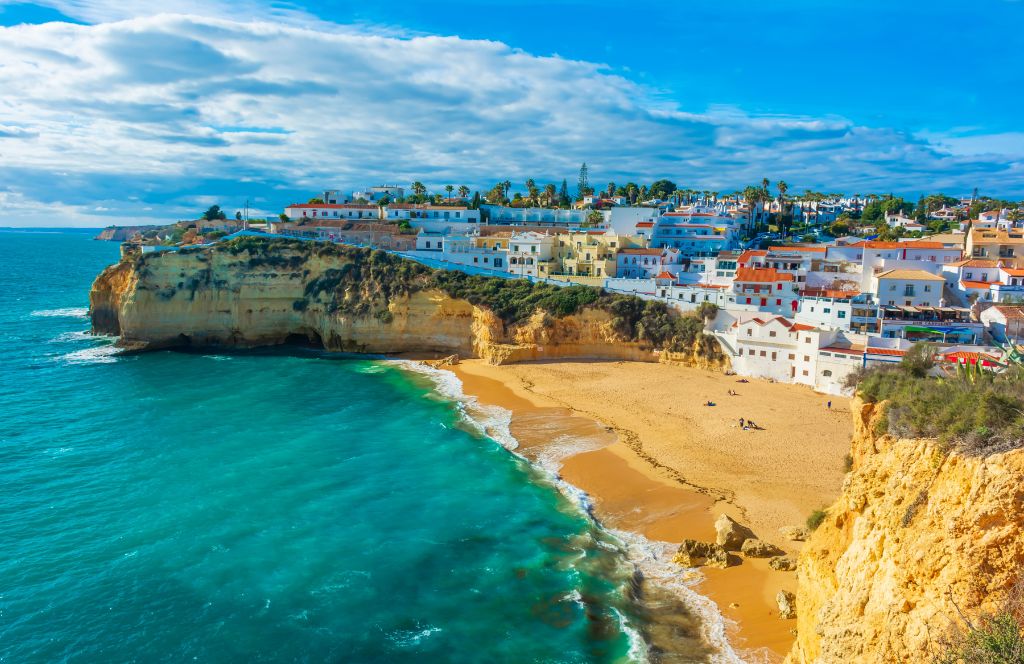
Travelling to Portugal in March allows you to explore cities like Lisbon and Porto at your own pace, enjoy fun outdoor activities in pleasant temperatures, and cultural events without the summer rush. enjoy fun outdoor activities in pleasant temperatures, and cultural events without the summer crowds. While some regions may experience occasional rainfall, Portugal's coastal areas, particularly the Algarve, provide pleasant conditions for golfing, surfing, and hiking. Whether you seek city exploration or outdoor adventures, March offers an excellent balance of comfortable weather and unique experiences in Portugal.
But what is the weather like in Portugal in March?
March in Portugal brings mild and gradually warming temperatures as the country transitions into early spring.
During this time, typical daytime temperatures vary by region. Coastal areas like Lisbon and the Algarve typically see daytime highs around 18°C to 20°C, while inland regions may experience slightly cooler temperatures. March's weather is similar to that of autumn, with mild temperatures and a mix of sun and rain, making it ideal for sightseeing and outdoor activities.
| Location | Avg. Temperature | Avg. Number of Rainy Days | Avg. Rainfall (mm) |
| Lisbon | 18°C | 8 days | 48mm |
| Northern Portugal | 16°C | 12 days | 90mm |
| Algarve | 19°C | 6 days | 30-40mm |
Where to go in Portugal in March 2026
Portugal offers a variety of destinations, ensuring a diverse and memorable travel experience. These are the best destinations that you shouldn’t miss when visiting Portugal in March:
- Sintra, Portugal
- Lisbon, Portugal
- Braga, Portugal
- Porto, Portugal
- Aveiro, Portugal
- Algarve, Portugal
- Guimarães, Portugal
- Island getaways: Azores and Madeira in March
- Hidden treasures: Off-the-beaten-path destinations
Portugal's compact size and efficient train network make it easy for travelers to adjust their plans and explore different Portuguese towns, taking advantage of the fewer tourists and mild weather.
1. Sintra - Discover a UNESCO World Heritage Site
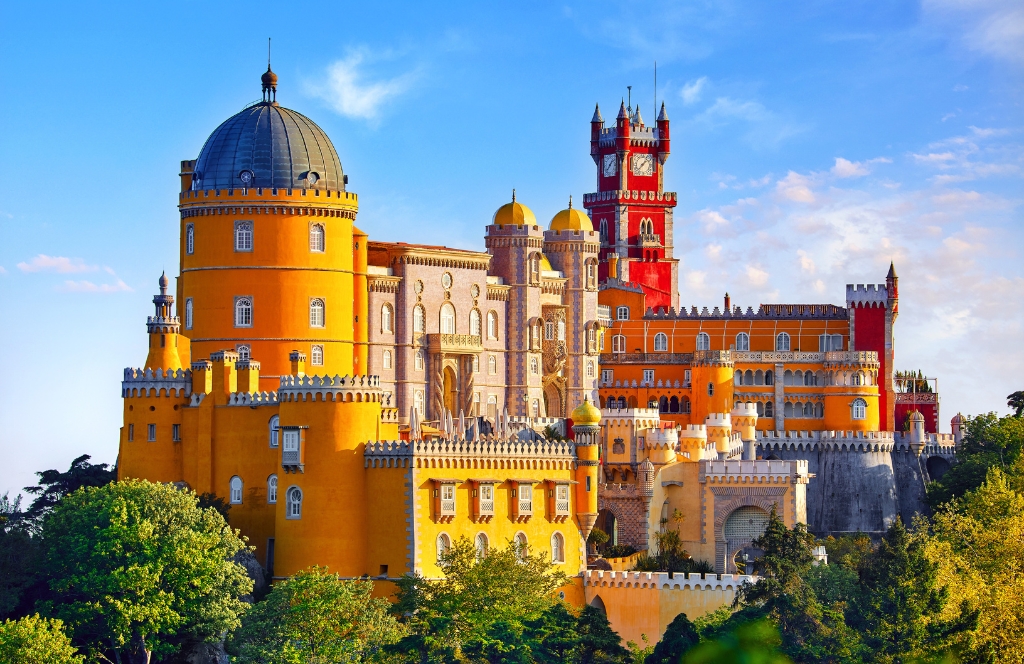
Sintra, just a short drive from Lisbon, is a true fairyland and a charming city. Classified as a UNESCO Worl Heritage Site, the town is surrounded by dense forests and majestic hills that create a magical atmosphere. In March, when the flowers start to bloom, Sintra is particularly beautiful.
But where exactly is Sintra? The small town is located in the west of Portugal. It officially belongs to the district of Lisbon and is located around 30 km northwest of the capital.
Sintra sights
Visitors can visit the famous Pena Palace, a colorful masterpiece of romantic architecture that towers high above the city. The Moorish castle of Sintra, Castelo dos Mouros, with its impressive ruins and breathtaking views of the surrounding area, is another must-see. Parques de Sintra is a public foundation in Portugal responsible for the conservation and restoration of several historical parks and palaces in the Sintra region. These include world-famous sights such as the Palácio Nacional de Sintra, the Palácio Nacional da Pena and the Palácio de Monserrate, which attract thousands of visitors from all over the world every year.
For nature lovers, the nearby Sintra-Cascais Nature Park offers a variety of beautiful hiking trails that wind through an impressive and diverse landscape. These paths lead through dense forests, along dramatic cliffs and offer stunning views of the sea.
Particularly noteworthy are the hiking trail along the coast of Cabo da Roca, the westernmost point of mainland Europe, as well as the routes that lead through the mystical forests of the Sintra Mountains, known for their lush vegetation and fairytale atmosphere. Many of these trails also connect historical sites such as castles and palaces, giving walkers the opportunity to combine cultural heritage with natural beauty.
Other possible activities in Sintra
In Sintra's old town, visitors can stroll through charming streets, sample local delicacies and purchase artisanal souvenirs. The nearby Sintra beach, Praia da Adraga, is a hidden gem with its golden sands and dramatic cliffs, perfect for a relaxing afternoon.
2. Lisbon - The vibrant capital
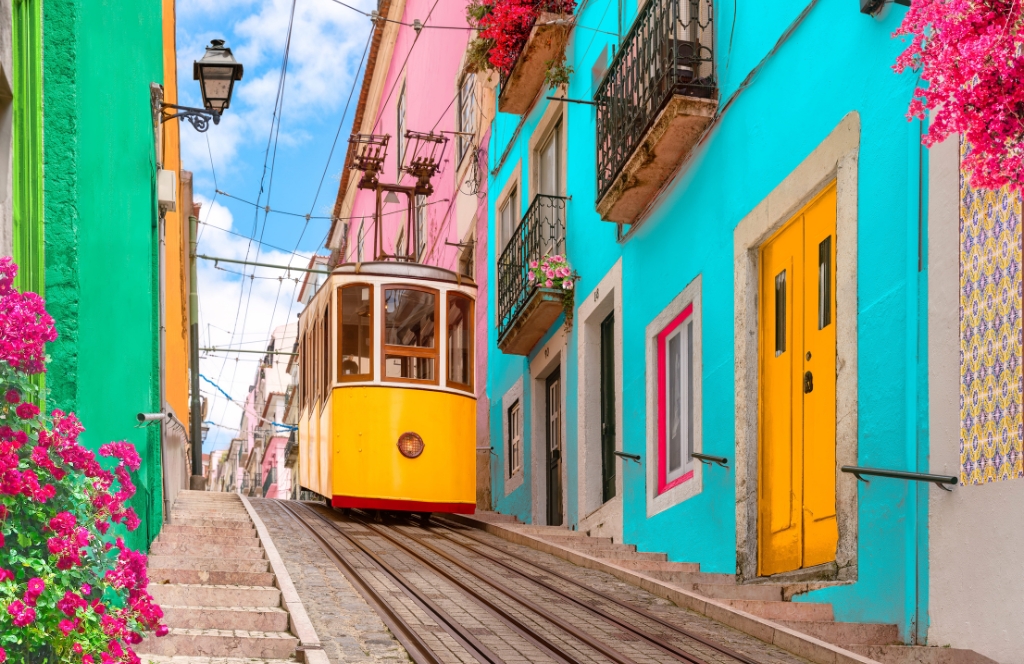
Lisbon, the capital city of Portugal, is a hilly metropolis by the sea and a melting pot of old and new culture. The city is known for its historic neighborhoods, such as Alfama and Bairro Alto, where traditional life is still palpable. Lisbon is located near the Atlantic coast in western Portugal, on a bay on the northern bank of the Tejo estuary.
What you have to see in Lisbon
A walk along the waterfront reveals Lisbon's famous bridge, the imposing Ponte 25 de Abril, which is reminiscent of the Golden Gate Bridge. Visitors should also take the time to try the famous pasteis de belem, a local pastry that is best enjoyed fresh and warm.
During your Lisbon holiday, numerous viewpoints (miradouros) offer a magnificent view over the city and the Tagus River. The Miradouro de Santa Luzia, known for its walls decorated with azulejos and the lush garden, offers a picturesque view of the old town and the river. The Miradouro da Senhora do Monte, one of the highest points in the city, offers a breathtaking view and is particularly popular at sunset.
Also discover the following highlights in Lisbon:
- Torre de Belém: This UNESCO World Heritage Site on the banks of the Tagus is a symbolic landmark of Lisbon's maritime history.
- Mosteiro dos Jerónimos: This remarkable monastery, another UNESCO World Heritage Site, stands as a stunning example of Manueline architectural style.
- Tram 28: A ride on the historic streetcar line 28 offers a charming way to explore the narrow streets and steep hills of the old town.
- Bairro Alto and Chiado: These neighborhoods are known for their lively nightlife, historic cafés and diverse shopping opportunities.
- Alfama: Lisbon's oldest district, famous for its winding alleyways, traditional fado houses and the Castelo de São Jorge, a Moorish castle with breathtaking views.
- Praça do Comércio: One of the largest and most impressive squares in Europe, surrounded by yellow pombaline buildings and open to the Tagus
Is there a beach in Lisbon?
Lisbon itself does not have a beach. However, the beaches near Lisbon offer a perfect blend of natural beauty and relaxed lifestyle, ideal for those seeking sun, sea and sand. Enjoy scenic coastal walks along the shoreline, which are especially pleasant in March when the weather is mild and the beaches are less crowded.
Popular beaches such as Cascais and Estoril are easily accessible by train and offer charming promenades, restaurants and bars alongside their golden sands and clear waters. Cascais is a charming coastal town, well-known for its beautiful beaches and relaxed atmosphere, making it a favorite destination for day trips from Lisbon.
3. Braga - The spiritual city
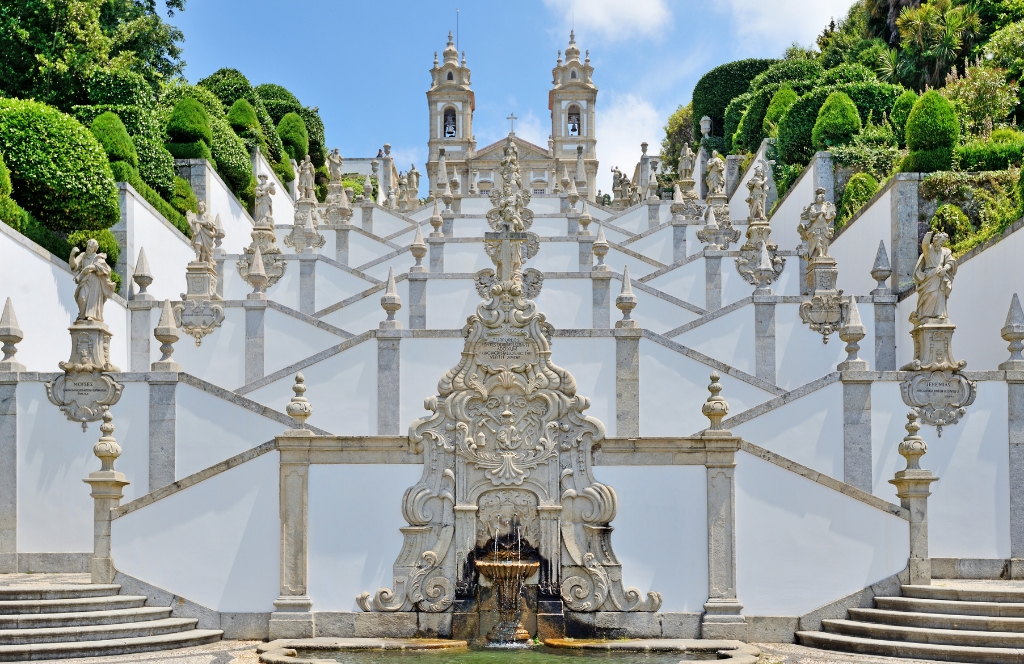
Braga, a historic city located in northern Portugal, is one of the oldest cities in the country and is known for its religious history. Braga is renowned for its historical sites and vibrant atmosphere, making it a great city to visit in March. The city has a quiet yet lively vibe and is particularly peaceful in March.
Braga sights
Braga Cathedral, known as Sé de Braga, is one of the oldest and most important churches in Portugal and an outstanding example of Romanesque architecture. Its history dates back to the 12th century and it has an impressive mix of Romanesque, Gothic and Baroque style elements that reflect its long and varied building history.
In addition to its religious history, Braga is also known for its soccer stadium. The Estádio Municipal de Braga, often referred to as "The Quarry Stadium", is an architecturally impressive soccer stadium. Designed by renowned architect Eduardo Souto de Moura, the stadium is characterized by its unique location, nestled between massive rock walls, and its asymmetrical design, with one side of the stadium open and offering breathtaking views of the surrounding landscape.
The Old Town of Braga is a labyrinth of narrow streets lined with baroque buildings and traditional stores, offering a glimpse into the city's rich heritage and culture. Characterized by baroque churches, colourful houses and lively squares, it is a popular meeting place for locals and tourists alike, who enjoy the atmosphere and the traditional stores and cafés.
Cultural events and gastronomy
Every year at Easter, Braga hosts one of Portugal's biggest religious celebrations, the Semana Santa, an impressive procession through the city. The local restaurants offer an excellent opportunity to sample northern Portuguese cuisine, known for its hearty dishes and excellent wines.
4. Porto - The charming coastal city
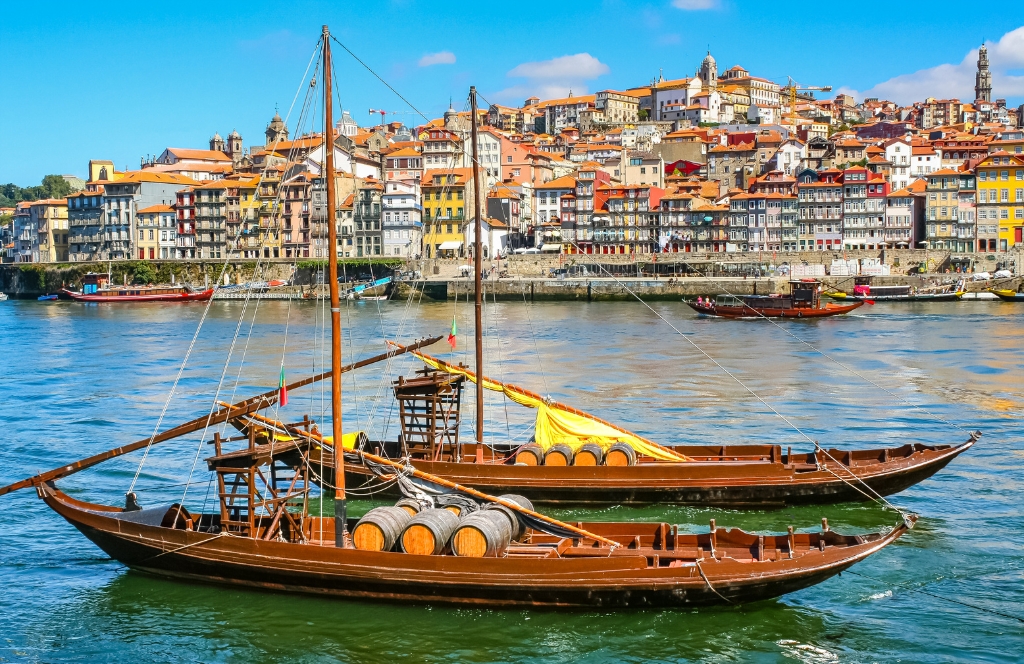
Porto, a picturesque riverside town in northern Portugal, is known for its port wine production and scenic location on the north bank of the Douro River. Porto is famous for its historic center, earning it the UNESCO World Heritage Site status, which truly comes alive with the onset of spring. The old town of Ribeira, which lies on the banks of the Douro, fascinates with its colorful houses and lively hustle and bustle.
Known for its Port wine production, Porto is a city full of character. The old town of Ribeira, which lies on the banks of the Douro, is a UNESCO World Heritage Site and fascinates with its colorful houses and lively hustle and bustle. The picturesque, winding streets lead past traditional fado bars, where the yearning sounds of the Portuguese guitar fill the night air.
Towering high above the city is the impressive Dom Luis I Bridge, a masterpiece of engineering that offers breathtaking views of the rooftops of Porto and the glistening waves of the Douro.
Wine and architecture
A visit to one of the many port wine cellars for wine tasting is a must-do activity when visiting Porto, allowing you to sample the region’s famous wine. The impressive Ponte de Dom Luís I bridge offers spectacular views over the city and the river. In the historic wine cellars of Vila Nova de Gaia, located directly opposite the old town on the southern bank of the river, you can immerse yourself in the secrets of port wine production and taste fine wines.
Culture and art
Porto is also a center for art and culture, with several museums and galleries showcasing contemporary and traditional works. In March, the city is less crowded, giving visitors the opportunity to experience culture at their leisure.
Must-see's in Porto:
- Torre dos Clérigos: This baroque bell tower offers one of the best views over the city from its top. The climb up the narrow spiral staircase is rewarded with a panorama that is second to none.
- Livraria Lello: Often described as one of the most beautiful bookshops in the world, it impresses with its neo-Gothic façade and stunning interior with a curved wooden staircase and stained glass windows.
- Palácio da Bolsa: A neoclassical masterpiece known for its magnificent Arab Hall, which impresses with its exquisite decoration and detailed wood carvings.
- São Francisco Church: This church is famous for its opulent Baroque interior, which is overloaded with golden carvings and displays an overwhelming splendor.
Porto is also an important stop on the Caminho Português, one of the Camino de Santiago pilgrimage routes. This is why you will find many of Portugal's pilgrim hostels (albergues) here. These accommodations are specifically designed to meet the needs of pilgrims by offering affordable, comfortable accommodation in communal spaces where like-minded people can exchange ideas and share experiences from their journeys.
5. Aveiro - The Venice of Portugal
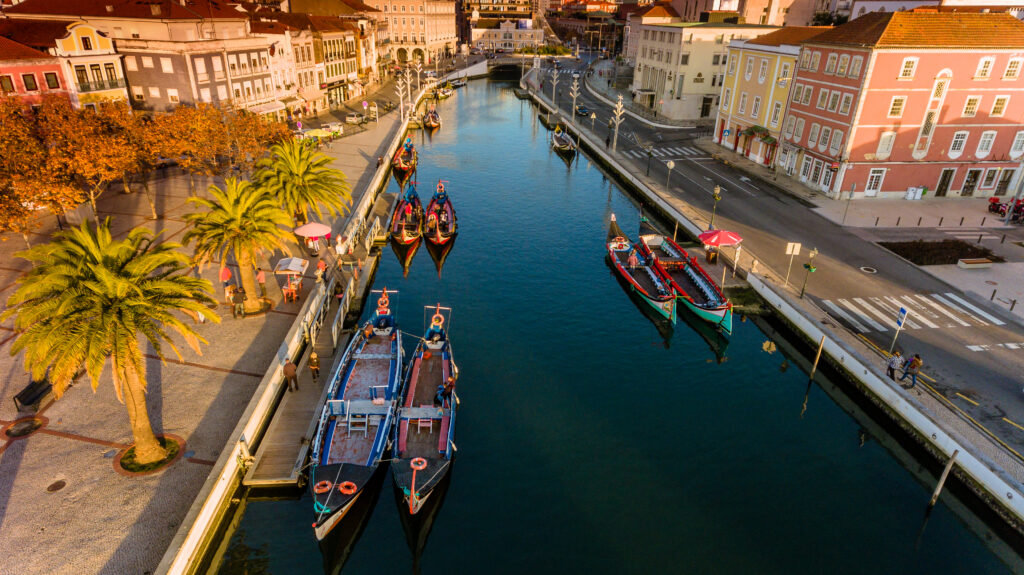
Aveiro, located in central Portugal, is often referred to as the Venice of Portugal and sits directly on the Atlantic coast about 75 kilometers south of Porto. The city offers a unique blend of traditional architecture and modern design, creating a fascinating atmosphere. Here, where the water characterizes the cityscape, old traditions mix with contemporary culture, and the historic center, with its cobbled streets and typical Portuguese tiles, invites you to take a leisurely stroll.
The colourful moliceiro boats, traditional vessels once used for seaweed harvesting, are now a central attraction—gliding gently with tourists through the waterways, past charming old buildings and under picturesque bridges. Taking a boat tour on these colourful moliceiro boats is a must-do activity to fully experience Aveiro’s scenic canals and vibrant culture.
Canals, colourful moliceiro boats, and Art Nouveau
A boat trip on the canals is the best way to explore the city. Aveiro is also known for its impressive Art Nouveau, or Art Nouveau architecture, which can be seen along the canals. These magnificent buildings, with their delicate decorations and floral motifs, tell of a time of cultural prosperity. The Museu de Arte Nova, housed in one such Art Nouveau building, is dedicated to the preservation and presentation of this artistic era. A walk along the Ria de Aveiro not only offers picturesque views, but also the opportunity to admire the fascinating fusion of nature and architecture that makes this city so special.
Beaches and gastronomy
Aveiro's beaches, such as Praia da Costa Nova, are known for their picturesque striped houses, painted in vibrant colors and providing a cheerful backdrop for sunny days by the Atlantic. These unique houses once served as warehouses and accommodation for fishermen and are now iconic landmarks of the region. The local cuisine, especially the seafood, is another highlight of the region. Specialties such as stews, freshly grilled fish and the famous ovos moles - sweet egg yolk pies in shapes that reference the maritime heritage - tantalize the senses and offer an authentic taste of Aveiro's rich cultural heritage.
Aveiro places of interest
Aveiro is not only known for its canals and Art Nouveau architecture, but also for its diverse sights, ranging from historic buildings to natural wonders. The Cathedral of Aveiro, also known as São Domingo's Church, dates back to the 15th century and is an impressive example of Gothic architecture. The Aveiro Museum, housed in the former Convent of Jesus, offers insights into the religious art and history of the city. For nature lovers, the natural park of the Ria de Aveiro is a must, a unique ecosystem of lagoons, canals and salt ponds that is home to a rich variety of bird species. Aveiro seamlessly combines the beauty of nature with cultural richness, offering visitors an unforgettable experience.
6. Algarve Region - The sun-drenched coast of Southern Portugal
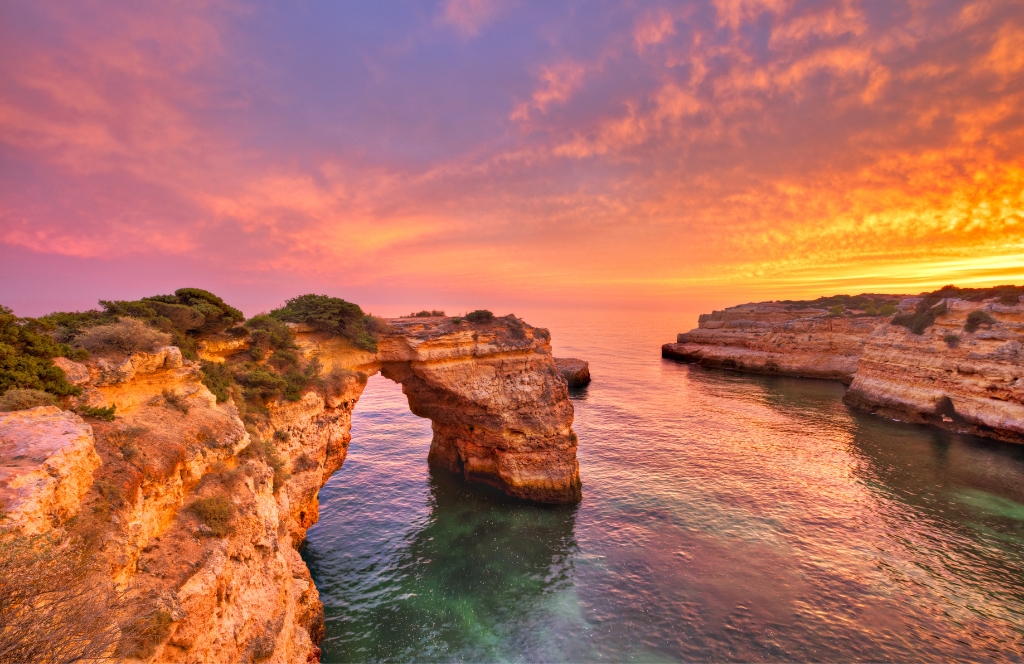
The Algarve region, located in southern Portugal, is famous for its beautiful beaches, breathtaking rock formations, and laid-back atmosphere, making it the perfect destination for visitors from all over the world. It stretches along the coast of the Atlantic Ocean, from the Spanish border in the east to Cape São Vicente in the west, the most south-westerly point in Europe.
In March, the Algarve enjoys pleasant daytime temperatures, typically reaching 19°C, and offers particularly good value for accommodation with deeper discounts than city destinations. The region is recommended for families with children due to its mild temperatures and abundance of outdoor activities. At this time, the landscape blossoms, covered in a carpet of wild flowers, while the almond trees are in full bloom, giving the Algarve a picturesque backdrop. The coastal towns and villages retain their traditional charm and offer a glimpse into authentic Portuguese life.
Outdoor activities
The Algarve offers a wealth of outdoor activities, including golfing on world-class golf courses that blend harmoniously with the stunning scenery. Surfing on the famous beaches, such as Praia do Amado, where the powerful waves of the Atlantic challenge both beginners and experienced surfers, is another popular activity. Or book a group surf course in Carrapateira. Kitesurfing in the idyllic Lagoon of Alvor, with its calm waters, is perfect for anyone who wants to learn the art of kitesurfing or improve their skills.
March's mild weather makes it ideal for outdoor adventures, especially hiking the Seven Hanging Valleys Trail along the Algarve coast. This must-do trail is renowned for its stunning views, lush vegetation, and dramatic cliffs, making it a highlight for nature lovers visiting Portugal in March. Hiking and cycling along the coast or inland also offer the chance to explore the Algarve’s diverse landscape, from rolling hills to hidden coves.
Or for a slightly more unique view - how about a horseback ride on Bordeira beach at sunset? There is no shortage of choice when it comes to enjoying the outdoors in the Algarve.
Nature and relaxation
The region is also a paradise for nature lovers, with the Ria Formosa Nature Park, a unique coastal wetland that is home to a variety of bird species and an important habitat for many migratory bird species. The famous cliff walks along the coast, such as the path along the Seven Suspension Bridges, offer spectacular views of the endless sea and dramatic rock formations. These natural wonders provide a perfect backdrop for relaxing walks and the opportunity to discover the region's rich biodiversity.
In our opinion, the Algarve is at its most beautiful on the Lagoa Coast, where the iconic Algarve Cliffs and Caves, including the famous Benagil Cave, with its stunning natural light shows and crystal clear waters, can be found.
7. Guimarães - The cradle of Portugal
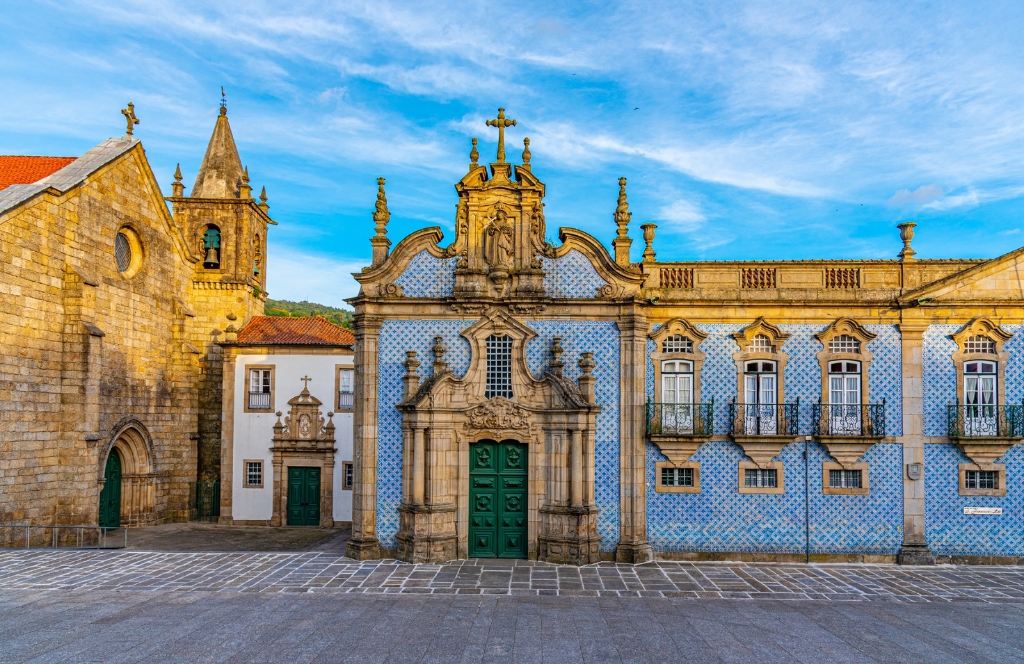
Guimarães, often referred to as the birthplace of the Portuguese nation, is a city that proudly showcases its rich history and cultural significance. The well-preserved medieval old town, with its winding streets and traditional buildings, is a UNESCO World Heritage Site and attracts visitors who want to immerse themselves in Portugal's past. Guimarães is located in the north of Portugal, in the historic Minho region, around 55 kilometers northeast of Porto. This location contributes to the rich cultural and historical texture of the city, which is deeply rooted in the traditions of the Minho region. The city offers a fascinating mix of historical monuments and vibrant culture that transports visitors back in time.
Historical sights
The heart of the city, the imposing silhouette of Guimarães Castle, das Paço dos Duques, which is considered the cradle of Portuguese identity, rises above the rooftops of the old town. It once marked the origin of the Kingdom of Portugal and played a key role in the country's history and independence. The Palace of the Dukes of Braganza, with its impressive façade and sumptuously decorated interiors, is another architectural masterpiece that reflects the splendor of times gone by and offers an insight into the life of the nobility. The historic church São Miguel do Castelo, where the first king of Portugal, Afonso Henriques, was baptized, is also an important monument that illustrates the city's deep-rooted history.
Culture and traditions
Guimarães is also a center for traditional Portuguese arts and crafts, promoting the preservation of old craft techniques. Visitors can visit local workshops where textiles, ceramics and metalwork are produced, giving them an insight into the cultural heritage of the region. The city is known for its lively events, including festivals that celebrate traditional music, dance and gastronomy. In March, the city offers a particularly tranquil atmosphere, ideal for those who want to enjoy the history and culture of Portugal away from the hustle and bustle of the high season.
Island getaways: Azores and Madeira in March

If you’re dreaming of an island escape in Portugal in March, the Azores and Madeira offer unforgettable adventures for nature lovers and culture seekers alike. Nestled in the heart of the Atlantic Ocean, these island getaways are perfect for those looking to experience Portugal’s natural beauty and cultural traditions away from the peak tourist season.
The Azores, a lush archipelago known for its crater lakes and dramatic volcanic landscapes, are a paradise for outdoor activities. March brings mild spring weather, with daytime temperatures hovering between 17°C and 20°C, making it ideal for hiking through verdant trails, whale watching, or exploring the charming villages scattered across the islands. With fewer crowds, you can take a leisurely walk around the historic centre of Ponta Delgada, soak in geothermal hot springs, or marvel at the vibrant hydrangeas and emerald-green pastures. Don’t miss the chance to visit the mystical crater lakes of São Miguel or enjoy a boat tour along the rugged coastline.
Madeira, often called the “Pearl of the Atlantic,” enchants visitors with its beautiful beaches, lush gardens, and gradually warming temperatures. In March, the island enjoys mild daytime temperatures around 20°C and pleasant nighttime temperatures, perfect for exploring without the summer crowds. While the sea temperature may still be a bit brisk for swimming, the island’s scenic levada walks, dramatic cliffs, and vibrant local markets more than make up for it. Stroll through the historic centre of Funchal, discover the island’s ancient Roman temple ruins, or relax in one of the many cute cafés overlooking the ocean. Madeira’s rich cultural traditions come alive in its charming villages, where you can sample local cuisine and experience the warm hospitality of the islanders.
Whether you’re seeking adventure, relaxation, or a taste of authentic island life, the Azores and Madeira promise a unique and memorable way to visit Portugal in March.
Read more: What to Do in Madeira in 7 Days
Hidden treasures: Off-the-beaten-path destinations
For those eager to discover more Portugal beyond the well-trodden tourist routes, March is the perfect time to explore the country’s hidden gems. With fewer crowds and mild temperatures, you can truly soak up the traditional charm and natural beauty of these lesser-known destinations.


In the Algarve region, the riverside town of Silves stands out with its well preserved medieval architecture and laid-back atmosphere. Wander the cobbled streets beneath the imposing red-brick castle, explore the ancient cathedral, and sample fresh seafood at local restaurants. The town’s surrounding countryside, dotted with orange groves and almond trees, is ideal for a leisurely walk or a scenic drive.
Travel east to the hilltop village of Marvão, a hidden gem perched high above the Alentejo plains. Encircled by medieval walls, Marvão offers breathtaking views of the surrounding countryside and a sense of timeless tranquillity. Stroll through charming streets lined with whitewashed houses, visit the historic castle, and enjoy local cuisine featuring game meats and artisanal cheeses.
Northern Portugal’s Douro Valley is another treasure waiting to be discovered. This UNESCO World Heritage region is famed for its dramatic cliffs, terraced vineyards, and picturesque villages. Take a boat tour along the Douro River, visit family-run wine estates for a tasting, and savour the region’s renowned port wine and fresh seafood. The valley’s natural beauty and traditional charm make it a must-visit for nature lovers and wine enthusiasts alike.
These off-the-beaten-path destinations offer a more intimate glimpse into Portuguese life, where history, culture, and natural beauty come together to create unforgettable travel experiences. Whether you’re exploring medieval towns, sampling local delicacies, or cruising down the Douro, you’ll find that Portugal’s hidden treasures are just as captivating as its famous landmarks.
As you can see, each of these Portugal destinations offer a unique travel experience, from historic cities to breathtaking coastal landscapes. Whether you're looking for culture, history, nature or just relaxation, Portugal has something for everyone in March.
Visit Portugal in March with a Loved One

We hope our blog has inspired on where to go in Portugal in March. That being said, we know that travel is best enjoyed in the company of a travel buddy or loved one. Why not skip the planning and gift them unforgettable trip?
Show them how much you care by offering them an airline gift certificate from Flightgift for their birthday, Valentine's day, or simply just because you can't bare not to share the wonders of Portugal in March. You can even personalize the card with a heartfelt message & photo for the ultimate surprise.
Available in physical, PDF and eGift formats, Flightgift airline vouchers allow the recipient the freedom to choose where to go, and when. Redeemable with over 400 airlines globally and valid with no expiry date, it is the ultimate gift for travel lovers.