



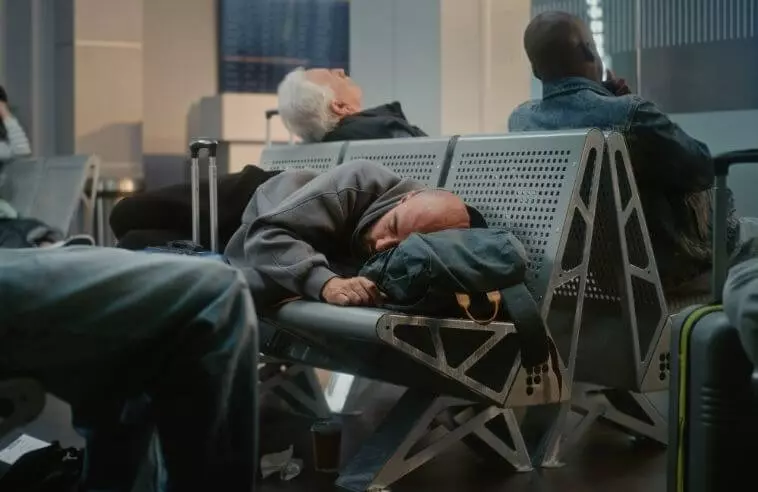
US flight delays aren’t a new concern, but as a topic that has been making headlines more often, it’s hard not to worry about them. But that doesn’t mean they have to cast a shadow over your next trip.
With smart airport preparation, these road bumps can feel like a non-issue and keep you looking forward to the destination.
To stay in complete control, it only takes a quick refresher on how the current system works. Besides weather disruptions, most disruptions are due to logistical issues like air traffic flow, crowd management, staffing shortages, and aircraft rotation. Understand how these elements work, and you can plan for greater flexibility to stay relaxed on your way through the airport.
Whether you’re booking a trip for yourself or gifting a flight to a loved one, this guide shows how you can avoid surprises and protect your travel plans at every step of the process.
Table of Contents
- Why Flights Are Delayed & What to Do
- Pre-Departure Prep
- Managing a Delay at the Gate
- US Passenger Rights in 2026
- Flexible Way to Book Flights
- Quick FAQs
Why Are Flights Delayed So Often in 2026?
When experiencing current airport delays, US travelers can bypass a lot of stress by figuring out exactly what’s causing them. The first thing to know: There’s rarely just one source behind a disruption. Most stem from an overlapping mix of unpredictable weather patterns, infrastructure bottlenecks, understaffed teams, and aircraft rotation strategies. This year has also faced an increase in US government shutdown flight delays.
TSA Staffing Pressures and Security Checkpoint Delays
In 2026, US flight delays and cancellations due to government shutdown have been a big focus among travelers. TSA staffing shortages, due to federal budgetary gridlock, resulted in longer security lines.
Apart from keeping passengers from reaching the departure gate sooner, these delays can increase the risk of missed flights and stalled baggage loading.
Even if major standstills are resolved, security checkpoint wait times can fluctuate during peak travel periods, so preparing early is essential.
The Fix: Check the official MyTSA App to see updated security line wait times at US airports and get a sense of what to expect (and how early you may need to leave). If you’re a frequent traveler, TSA PreCheck® is a smart investment for an expedited checkpoint experience.
Chronic Air Traffic Control (ATC) Shortages
US flight delays due to air traffic control staffing issues occur because airports must implement strict aircraft flow restrictions to maintain safety.
When control centers are understaffed, they have to temporarily cap the number of planes allowed in the sky to prevent overcrowding. This means your flight might be held at the gate even if the skies above your departure city are perfectly clear and the plane is ready to move.
The Fix: Book the earliest departure of the day, as airspace gets more crowded into the afternoon and evening.
Fuel Price Surges & Aircraft and Fleet Constraints
When rising fuel costs force airlines to reduce the size of their fleets, the remaining planes are forced to work much harder with fewer “spare” aircraft to rely on. Each aircraft flies more routes per day with shorter turnaround times at the gate. A single delay creates an immediate domino effect, pushing back every subsequent departure tied to that specific aircraft.
The Fix: Book the earliest departure possible. Morning flights are significantly less likely to be impacted by the rolling delays of previous routes. Use a reliable flight tracker, like FlightAware, to monitor your specific incoming aircraft number. If the plane’s previous leg is running late, you’ll know to anticipate a delay before the airline formally announces it.
Airline Staff Shortages, Labor Disruption, and Strikes
Shortages of available pilots, cabin crew, ground handlers, and maintenance personnel can ground an otherwise ready aircraft. Furthermore, labor strikes abroad can severely disrupt global schedules, which can impact US passengers traveling through foreign hubs.
The Fix: Book the early flights to avoid crew disruptions later in the day. If you are traveling internationally, check your airline's official "Travel Advisories" page 48 hours before departure to see if they have issued alerts (and solutions, such as waivers) for strike activity.
Severe Weather and Operational Volatility
US flight delays due to weather aren’t limited to thunderstorms and severe snow or ice. Extreme heat, heavy fog, and high winds also dictate takeoff and landing times.
Because networks are highly interconnected, severe weather in another city can trap the specific crew or aircraft assigned to your route.
A hurricane in the Southeast or a blizzard in the Midwest can delay your flight even if the weather is completely clear in your part of the country.
The Fix: Monitor the national weather map, not just your local forecast. If a major storm is developing anywhere along your route or connecting hubs, check your airline's website for severe weather waivers that allow you to rebook your flight for free days before the disruption actually hits.
Airport-Specific Disruptions and Capacity Restrictions
Scheduled runway maintenance, temporary FAA ground stops, and high activity at congested facilities can significantly slow down departures.
Major coastal and midwestern hubs rank high among the most delayed airports in the US. These facilities typically operate at maximum daily capacity and have little room to absorb sudden disruptions. If one runway closes or a plane is stranded at a gate, it immediately creates a massive scheduling backlog.
The Fix: Fly direct whenever possible. When flying into or out of a major city, check if you can use a smaller secondary airport instead of the primary international hub (i.e. choosing Burbank over LAX or Midway over O'Hare). Smaller airports often face fewer bottlenecks and recover from temporary delays much faster.
How to Prepare for Airport Delays Before You Leave
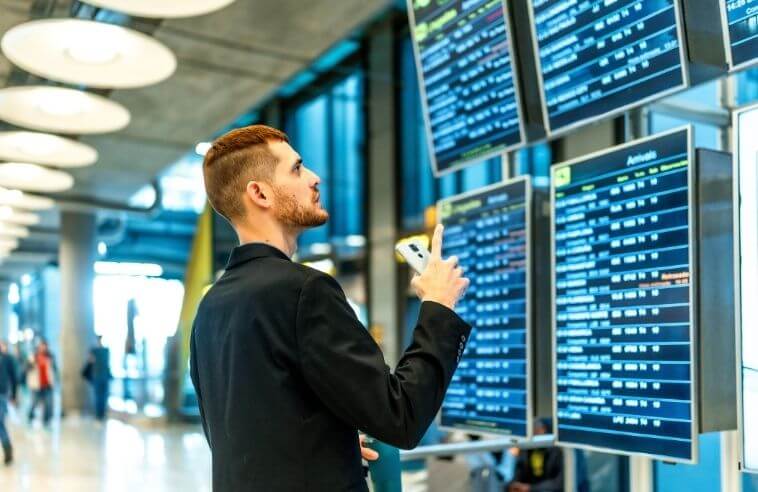
Staying proactive is your best defense against US flight delays. Here is exactly how to avoid surprises and protect your plans before heading to the terminal.
Check Airport Status and Current TSA Wait Times
Monitor airspace trends to anticipate bottlenecks before you leave the house.
- Track the whole route: Use FAA delay status tools to check conditions across your connecting hubs and your final destination.
- Set airline alerts: Enable push notifications on your airline’s app for real-time gate and schedule changes.
- Monitor security lines: Use the official MyTSA App to verify current wait times.
- Build in a buffer: If you are flying out of a major hub known for airport delays in the US, add an extra hour to your arrival time during peak seasons and holiday weekends.
Pack a Strategic "Delay-Proof" Carry-On
If a flight is significantly pushed back, your checked baggage will be inaccessible for an extended period. Pack your carry-on assuming you might need it for an extra 12 hours.
- Power and connectivity: Pack a high-capacity power bank and all necessary charging cables.
- Health essentials: Keep all daily medications in your personal item, never in a checked bag.
- Comfort items: Bring a refillable water bottle, snacks, a change of clothes, basic toiletries, and warm layers (even in the summer, airport AC gets cold).
- Offline entertainment: Download movies or podcasts ahead of time so you aren't relying on slow airport Wi-Fi.
Keep Your Documents and Travel Details Ready (For International Travel)
Cell service drops and overloaded airport networks can make it hard to download digital docs when you need them. Make sure what you need is accessible if there’s no Internet.
- Screenshot everything: Save your boarding passes, hotel confirmations, and transfer details directly to your camera roll so they are accessible offline.
- Secure international docs: Keep physical copies of your passport, visas, and travel insurance easily reachable in a secure bag.
- Save emergency contacts: Have your airline’s support number saved. If you booked travel using a flexible Flightgift gift voucher, our 24/7 customer service team is here to provide prompt support and details on 400+ partner airlines.
Track Your Incoming Aircraft
Airlines often wait until the last minute to announce a delay, but you can see it coming hours in advance.
- Find your plane: Search FlightAware or another flight tracking app to see where the specific plane assigned to your route is currently coming from.
- Anticipate the delay: If that inbound leg is already running late, your departure will inevitably be pushed back.
- Act first: This early warning gives you a critical head start to call the airline and secure an alternate route before the rest of the terminal realizes there is a problem.
What to Do When Your Flight Is Delayed
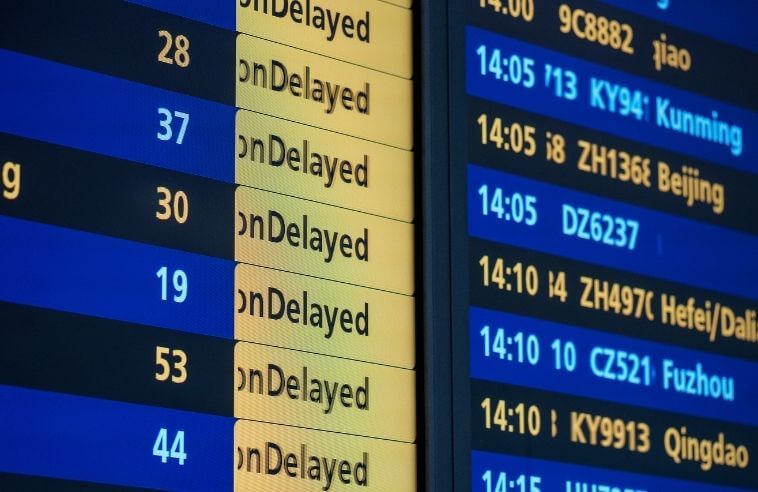
Even with the best preparation, disruptions happen. Knowing exactly what to do in the first ten minutes can mean the difference between a quick fix and an overnight stay in the terminal.
Speak to the Airline Early
As soon as a delay is announced, speed is the priority.
Hundreds of other passengers will suddenly be competing for the same limited alternate seats. Get in line at the gate or the main terminal service desk immediately.
If you’re waiting in line, call the airline's phone support or launch their in-app chat simultaneously. The goal is to reach whichever agent answers first.
Rebooking Strategies
When you reach an agent, come prepared with options.
First, ask for same-airline alternatives on later flights. If their inventory is full, politely ask if they can endorse your ticket over to a partner airline. You can also widen your search by offering to fly into nearby alternative airports or routing through a different hub to protect your final arrival time.
Using a Flightgift airline gift card? Our friendly 24/7 support team can assist with partner airline information or refunds if your flight has been canceled.
Watch Your Connection Time Carefully
A delay on your first leg directly threatens your layover. If your initial flight is pushed back with less than 45 minutes to connect domestically (or less than 90 minutes for transferring through international customs) assume you will miss the connection.
Proactively ask the agent to rebook your entire route before you board the delayed plane. It’s much easier to reroute from your initial airport than to get stranded halfway at a connecting hub.
Retreat to an Airport Lounge
Before your flight, find out if you have access to an airline lounge. You don’t always need a business-class ticket to get inside. Many locations offer access through premium travel credit cards, independent memberships, or day passes purchased right at the door.
If the main ticketing desk is overcrowded, dedicated agents in the lounge can often help reroute you at a faster pace. These spaces also offer quiet workspaces, reliable Wi-Fi, and guaranteed power outlets to beat the stress.
Keep Receipts and Screenshots
Screenshot the airline's delay notices and your rebooking confirmations immediately. Keep all itemized physical receipts for any out-of-pocket meals, transport, or hotel stays.
You’ll need this paper trail as proof to file reimbursement claims with the airline or your travel insurance provider once you return home.
Know Your Passenger Rights in 2026
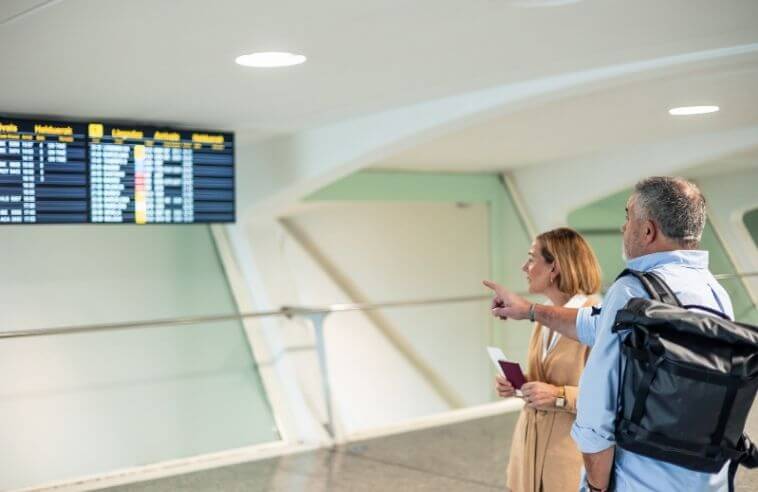
Recent US DOT regulatory updates in 2026 shifted many passenger protections away from broad federal mandates, leaving more decisions entirely up to individual airline policies. Here is how to navigate your rights today.
When You May Be Entitled to a Refund
You are legally entitled to a cash refund to your original payment method only if the airline cancels your flight or delays it significantly (three hours for domestic, six for international) and you choose not to travel. The US does not mandate extra financial compensation just for the inconvenience of waiting.
When Airlines May Offer Meals, Hotels, or Rebooking
Don’t assume you’ll automatically receive a hotel or meal voucher. Because federal rules have relaxed, amenities vary by carrier. Check the DOT’s Airline Customer Service Dashboard to see exactly what your specific airline has legally committed to providing during a disruption.
Controllable vs. Uncontrollable Delays
This distinction determines who pays for your wait time:
- Controllable (Mechanical issues, internal airline staffing): The airline is generally responsible for providing your accommodations and meals.
- Uncontrollable (Weather, ATC shortages, security incidents): The airline must rebook you, but they are not required to pay for your food, transport, or lodging while you wait.
What Travel Insurance Actually Covers
Travel insurance bridges the financial gap for uncontrollable delays when the airline won't pay. To successfully file a claim, ensure you have:
- A policy specifically listing "trip delay" and "missed connection" coverage.
- A delay that exceeds the policy's minimum time threshold (typically 6 to 12 hours).
- Itemized receipts for all expenses, plus a formal written delay statement from the airline.
Buy a Flexible Airline Gift Card Instead of Booking a Flight

Should I book a flight right now if there are delays? If you are planning a future trip or gifting a vacation, locking in rigid dates during periods of heavy air traffic adds unnecessary risk to the itinerary.
The smartest solution is to use a flexible airline gift card from Flightgift.
Whether you’re looking for fun gift ideas for 18th birthdays or meaningful ways to celebrate turning 70, Flightgift vouchers are a flexible idea for any person who loves to explore the world. Vouchers are valid for a full 24 months from purchase, allowing the recipient to monitor airline schedules and book exactly when routing conditions are optimal, ensuring their vacation starts perfectly on their own terms!
FAQs: Handling US Flight Delays
How do you handle flight delays?
Monitor your flight status before leaving for the terminal, pack a delay-proof carry-on with essentials, and contact customer service the moment a disruption is announced to explore rebooking options before other passengers.
Can I get a refund if my flight is delayed?
It depends. You’re entitled to a full cash refund to your original payment method only if the airline makes a significant schedule change (typically defined as three hours for domestic and six for international) and you choose to cancel your trip entirely.
What happens if my flight is delayed overnight?
If the delay is within the airline’s control (such as mechanical issues or crew shortages), they generally provide hotel vouchers and meal stipends. If the delay is uncontrollable (like weather or ATC ground stops), you are responsible for your own lodging, though travel insurance may reimburse these costs.
What should I do if my flight is delayed in a foreign country?
Locate the airline's service desk immediately and have your travel insurance details ready. European (EU261) and other international regulations often offer stronger passenger compensation rights than US laws, so politely ask the agent exactly what you’re entitled to under local jurisdiction.
How will delays impact flight connections?
A delayed initial leg directly threatens your layover. If your buffer drops below 45 minutes domestically or 90 minutes internationally, assume you will miss the connection and ask the gate agent to reroute your entire journey.
Will hotels refund me if my flight is delayed and I miss my reservation?
It depends. Most hotels have rigid cancellation policies and will not automatically refund you for missed nights due to airline issues. You should always call the front desk directly to explain the situation and request a waiver or file a claim through your trip interruption insurance.
Why was my flight delayed?
There’s not always one reason for current airport delays. US travelers may face disruptions due to a combination of severe weather, staffing shortages, bottlenecks in aircraft schedules, and local airport infrastructure constraints.
What airports are experiencing delays?
Current conditions fluctuate constantly based on weather patterns and airspace volume. Use the FAA’s National Airspace System Status tool or your specific airline's app to track real-time ground stops and flow restrictions.
What US airport has the most delays?
Historically, the most delayed airports in the US are major hubs dealing with highly congested airspace and volatile weather patterns, such as Newark Liberty (EWR), Dallas/Fort-Worth (DFW), Chicago O'Hare (ORD), Denver (DEN), and LaGuardia (LGA).
What percentage of US flights are delayed?
On average, roughly 20% of scheduled flights experience a delay of 15 minutes or more. However, this baseline percentage spikes significantly during peak summer travel windows, winter storms, and major holiday weekends.