



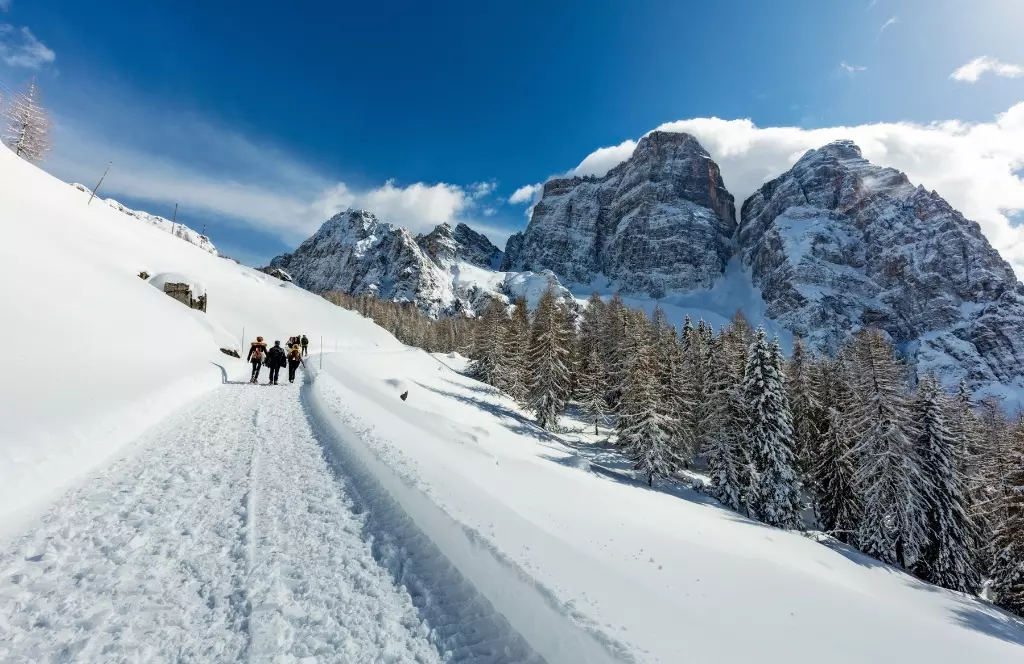
In Europe, the holiday season only marks the beginning of what the winter season has to offer from country to country. After all the European Christmas markets come to a close, January in Europe offers a cozy and refreshing vibe that is perfect for travel and setting the right tone for the New Year. From Italy to Germany, ski resorts open up, offering breathtaking slopes ready for winter sports enthusiasts. Or, if you're in the mood for sunny weather, coastal destinations in Greece, Portugal, and Spain offer the appeal of far fewer tourists and a peaceful atmosphere, allowing you to stroll through secluded streets that are usually packed during the summer months.
With such a wide range of climates to consider, the hardest part is simply choosing your backdrop. You might prefer the dramatic scenery of the Alps for a high-energy trip, or perhaps the historic allure of a capital city feels like the right way to reset for the year ahead. To help you map out the ideal start to your new year and decide between a snowy adventure or a mild cultural getaway, we’ve lined up the 19 best places to visit in Europe in January to inspire your winter abroad.
19 Best European Cities to Visit in January 2026
1. Tromsø, Norway: Arctic destination to not miss winter lights and auroras
Average Temperature: 19°F - 27°F
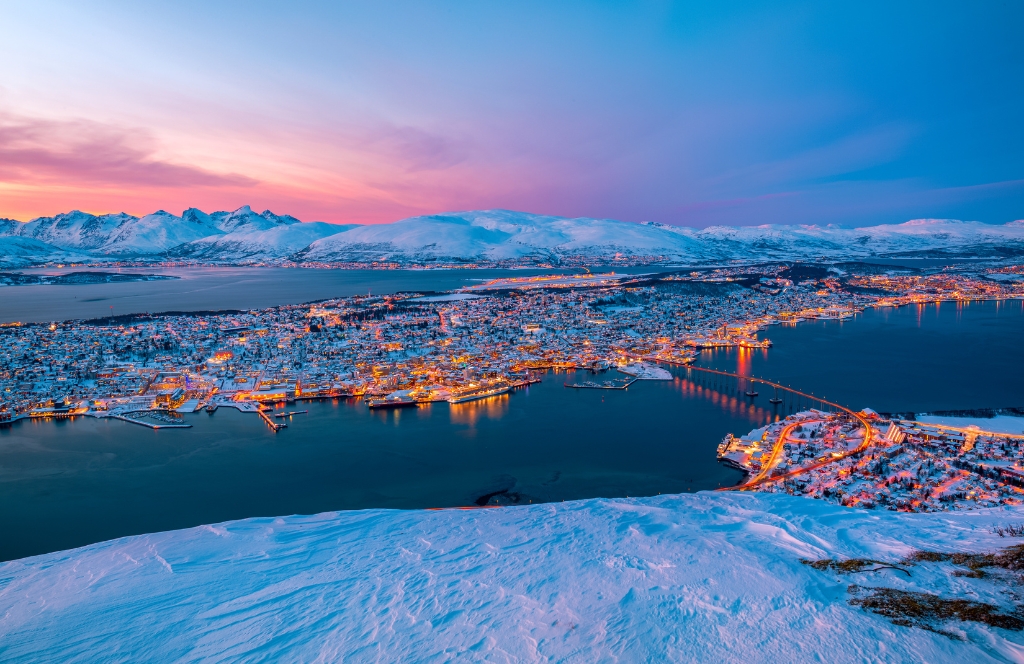
While most destinations are known for their sights on the ground, Tromsø, Norway, really stands out for what its skies have to offer. Located above the Arctic Circle, this Norwegian city offers some of the best opportunities to witness the Northern Lights. In January, the long polar nights create the perfect conditions for spotting the colorful and enigmatic aurora borealis.
During the day, Tromsø offers plenty of fun winter activities, from dog sledding and reindeer safaris to whale watching. For a unique experience, take a cable car ride up to Mount Storsteinen, where you can enjoy panoramic views of the snow-covered city below. If you're eager for an Arctic adventure, Tromsø is one of the best places to visit in Europe in January.
2. Dubrovnik, Croatia: Awe-inspiring Adriatic enchantment

Average Temperature: 45°F - 55°F
Dubrovnik reveals a quiet, medieval mood in the winter that few travelers get to see. Without open views along the coast of the Adriatic Sea, the UNESCO-protected Old Town feels timeless and serene. The cooler, mild air is perfect for walking the iconic City Walls, where you can gaze out at the Adriatic Sea in near solitude. Inside the stone fortifications, the Stradun (a limestone-paved pedestrian-only street) invites you to its shops and restaurants, where you can linger over a coffee or catch live entertainment. It is a rare chance to experience the "Pearl of the Adriatic" as the peaceful, historic, and stunningly beautiful destination that's considered one of the best places to travel in Europe in January.
3. Chamonix, France: The best views of the Alps
Average Temperature: 24°F - 37°F
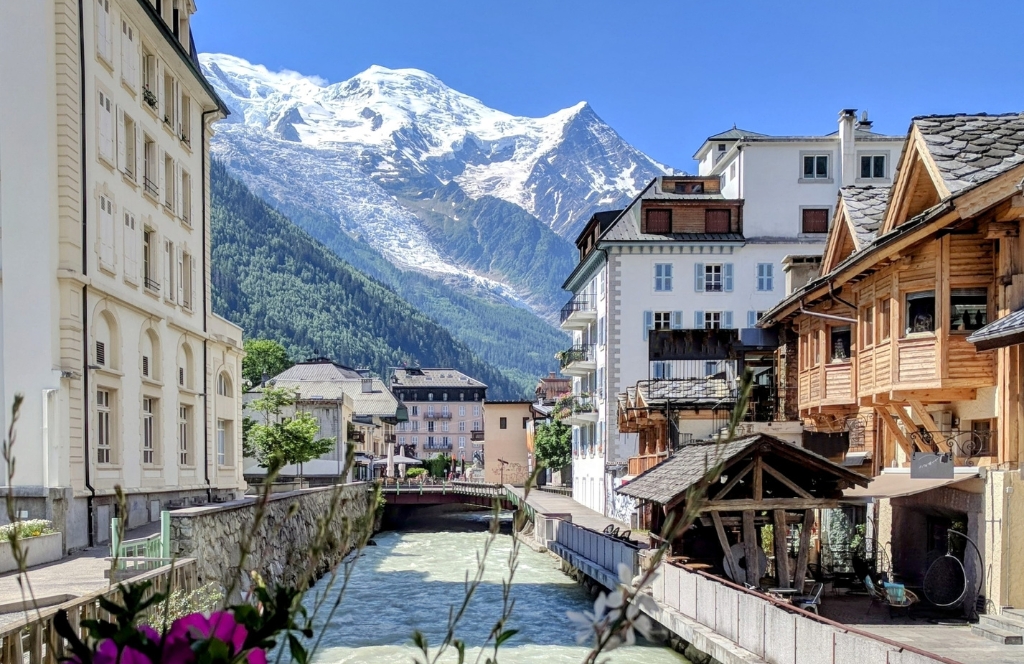
Situated at the base of Mont Blanc, Chamonix is on our list of good places to go in January in Europe if you love alpine sports. Known for its incredible skiing and snowboarding opportunities, Chamonix offers some of the best slopes in the world.
But even if skiing isn't on your agenda, the scenery of the Alps alone is worth the trip. The Aiguille du Midi cable car takes you to dizzying heights, where you can take in panoramic views of the surrounding postcard-worthy mountains. Enjoy the mountain air as you relax in the charming town area, which offers a variety of shops, canals, restaurants, and spas perfect for unwinding.
4. Valletta, Malta: A living fortress in the middle of the sea
Average Temperature: 50°F - 60°F
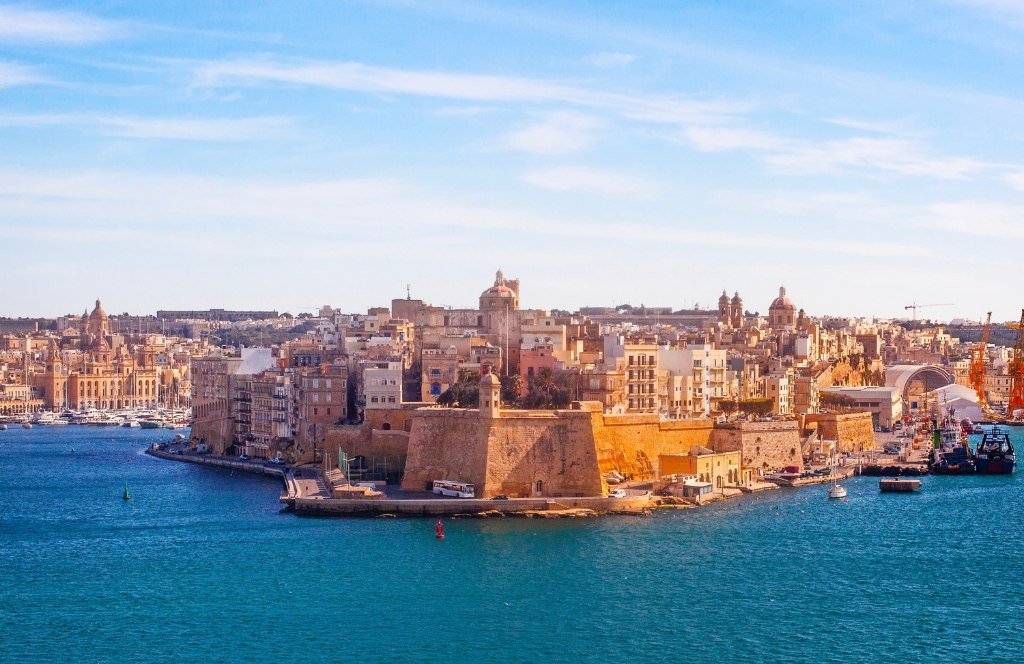
Found on the Mediterranean island of Malta, Valletta is one of the warmest European cities in January. If you're wondering where it’s hot in January in Europe, Malta’s capital city is an ideal destination offering a blend of history, culture, and coastal beauty. With its stunning Baroque architecture and vibrant cultural scene, this UNESCO World Heritage site offers many opportunities for exploring.
Visit the stunning St. John’s Co-Cathedral, which houses masterpieces by Caravaggio, or take a stroll through the Upper Barrakka Gardens for panoramic views of the Grand Harbour. Valletta is also known for its lively café scene, perfect for enjoying a mild winter afternoon by the impeccably blue sea.
5. Budapest, Hungary: The thermal spa capital of Europe
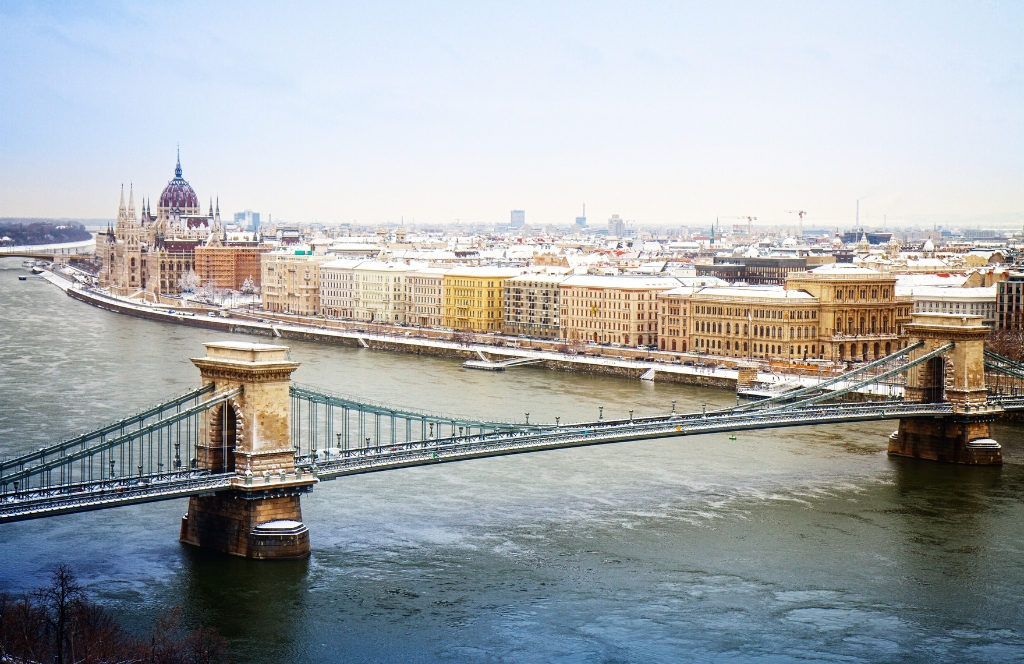
Average Temperature: 29°F - 37°F
Budapest in January is a perfect blend of history, culture, and relaxation, making it one of the best places to relax in Europe in January. The city’s grand architecture, such as the Buda Castle and Parliament Building, looks especially beautiful when frosted with snow. Thermal baths are a must during the winter in Budapest. For example, the Széchenyi Thermal Bath is one of the largest spa complexes in Europe, offering the unique experience of soaking in warm, mineral-rich waters while the cold air swirls around you.
If you're wondering where to go in January in Europe, Budapest’s rich cultural scene is a must-see, with world-class museums and opera performances to enjoy. In the evening, warm up with a glass of Hungarian mulled wine and traditional dishes, like goulash or lángos, at one of the city’s many cozy restaurants.
6. Lisbon, Portugal: Winter blue skies and a city full of soulful music and food
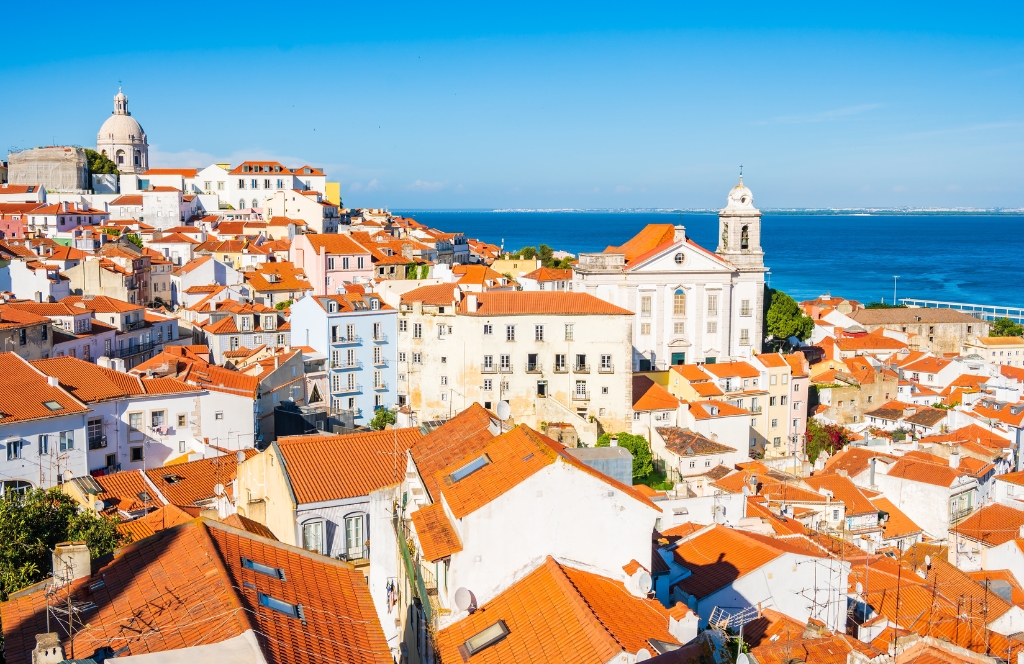
Average Temperature: 45°F - 60°F
Lisbon, Portugal, serves as a bright alternative to the Atlantic chill, making it one of the best places to visit in Europe in January. While the historic city swarms with visitors in summer, you'll have plenty of room to explore the steep, cobbled streets of the historic Alfama district among the lighter winter crowds.
Take advantage of the extra room to hop on the famous Tram 28 and turn what is often a crowded commute into a genuine sightseeing joyride. The mild winter sun invites you to linger outdoors, but the real draw is the unhurried café culture; start your day with a warm pastel de nata and end it listening to soulful fado music, all without a reservation.
7. Innsbruck, Austria: The perfect spot for skiing
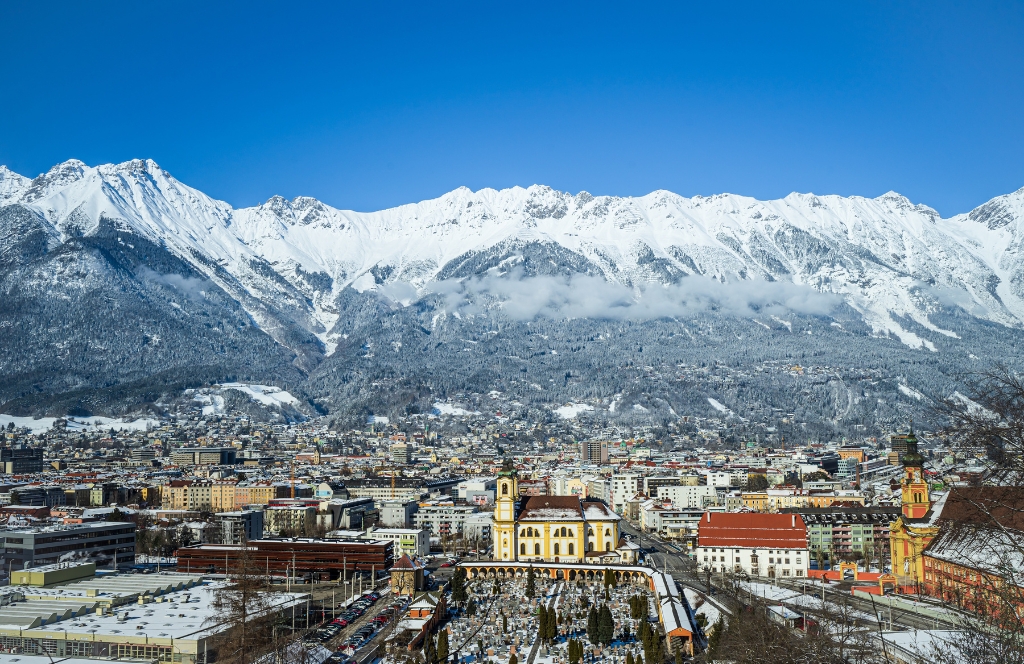
Average Temperature: 25°F - 39°F
Innsbruck, Austria, seamlessly blends high-alpine action with imperial history, distinguishing itself as one of the best places to ski in Europe in January. While the surrounding peaks attract ice climbers and snowboarders, Innsbruck’s ski resorts remain the main draw, offering diverse runs that accommodate everyone from first-timers to seasoned pros.
Down in the valley, the Old Town feels miles away from the rush of the piste. The Golden Roof, a shimmering balcony adorned with 2,657 fire-gilded copper tiles, stands as a testament to the city's royal past. If you are deciding where to travel in Europe in January, Innsbruck offers the ultimate dual experience: carve powder in the morning, then warm up with hearty Tyrolean cuisine in a medieval city center by night.
8. Positano, Italy: The perfect Mediterranean landscape
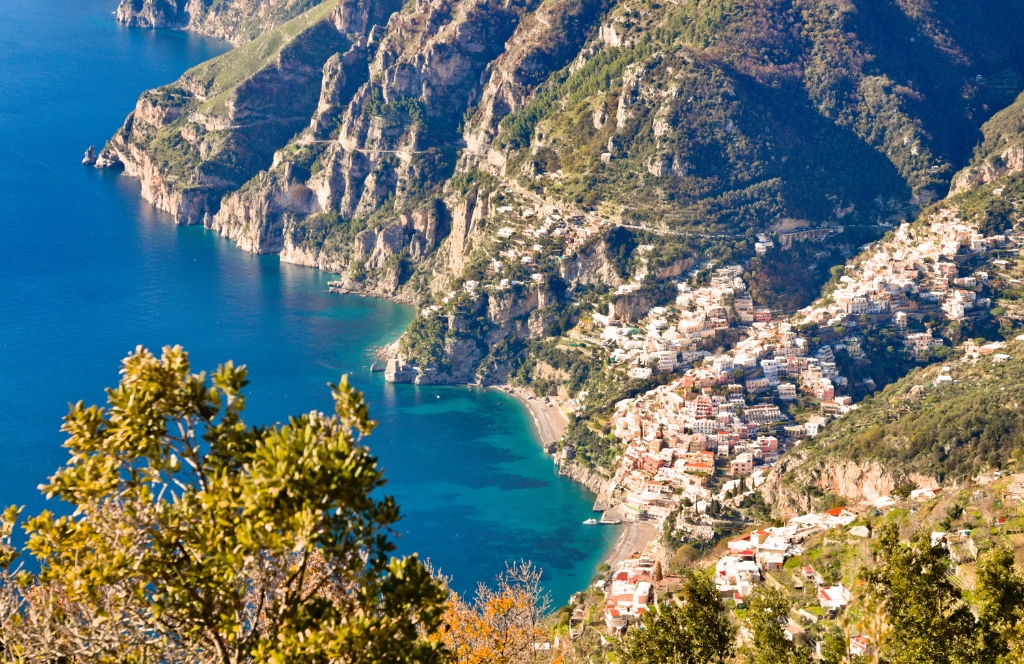
Average Temperature: 51°F - 59°F
Positano, Italy, undergoes a striking transformation in winter, shedding its hectic summer energy to return to its roots as a quiet cliffside village. This vertical town of pastel houses becomes one of the best places to go in Europe in January for travelers, as the winding, steep streets are yours to explore at a slow drift.
Down at sea level, the famous Spiaggia Grande is stripped of its dense rows of umbrellas, leaving the black sands open for peaceful, meditative walks by the Mediterranean. While the water is too cold for a dip, the local hospitality remains warm. Settle into a cliffside restaurant for fresh seafood pasta and espresso, enjoying the rare luxury of an unobstructed coastal view.
9. Madeira, Portugal: Cliffs, sea landscapes, and adventure
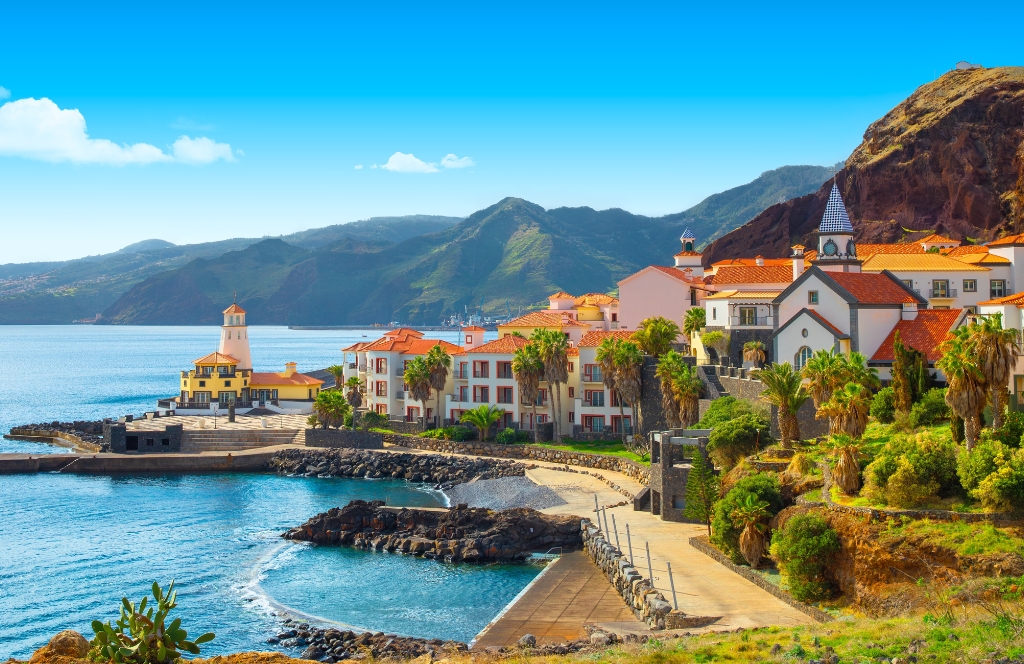
Average Temperature: 55°F - 65°F
Greenery and clear skies are reason enough to plan a trip to the Portuguese island of Madeira. Also known as the “Island of Eternal Spring,” Madeira has some of the most pleasant winter temperatures, making it one of the best January destinations in Europe.
For a sample of local culture, stop by Funchal, the island’s capital, where you can explore the historic old town and indulge in local delicacies like bolo de mel (honey cake) and Madeira wine. Nature lovers will also be drawn to the island’s lush landscapes, dramatic cliffs, and vibrant botanical gardens. Hike along one of the many levada trails, which wind through the island’s mountains and valleys, or take in the stunning views from Cabo Girão, one of the highest cliffs in Europe.
10. Baden-Baden, Germany: The biggest spa center of Europe

Average Temperature: 31°F - 42°F
Baden-Baden, Germany, is where you want to go if you'd rather embrace the winter chill rather than run from it. Nestled at the foot of the Black Forest, this historic spa town is defined by its healing thermal waters, ranking it among the best European destinations in January.
The highlight is the modern Caracalla Spa, where you can soak in steaming outdoor pools while watching snow fall on the surrounding pines. Beyond the wellness culture, the town exudes 19th-century elegance; after a day of soaking, dress up for an evening at the opulent Casino Baden-Baden or enjoy a winter hike on the panoramic Merkur Mountain trail.
11. Athens, Greece: Explore the roots of Western civilization

Average Temperature: 46°F - 56°F
Athens, Greece, presents a rare opportunity to see the ancient world in full view, making it a brilliant choice for those wondering where to go in Europe in January. While summer heat often makes the climb to the Acropolis and Parthenon a challenge, the cooler winter air turns it into a pleasant stroll, free from the usual tourist crush.
As one of the warmer destinations on the continent, the weather allows you to comfortably wander the narrow streets of the Plaka district or duck into the National Archaeological Museum to explore history indoors. The city’s vibrant café culture remains a highlight, giving visitors and locals a cozy spot for Greek coffee and pastries to enjoy while they soak in the atmosphere of the ancient capital.
12. Ghent, Belgium: Gothic architecture and winter vibes
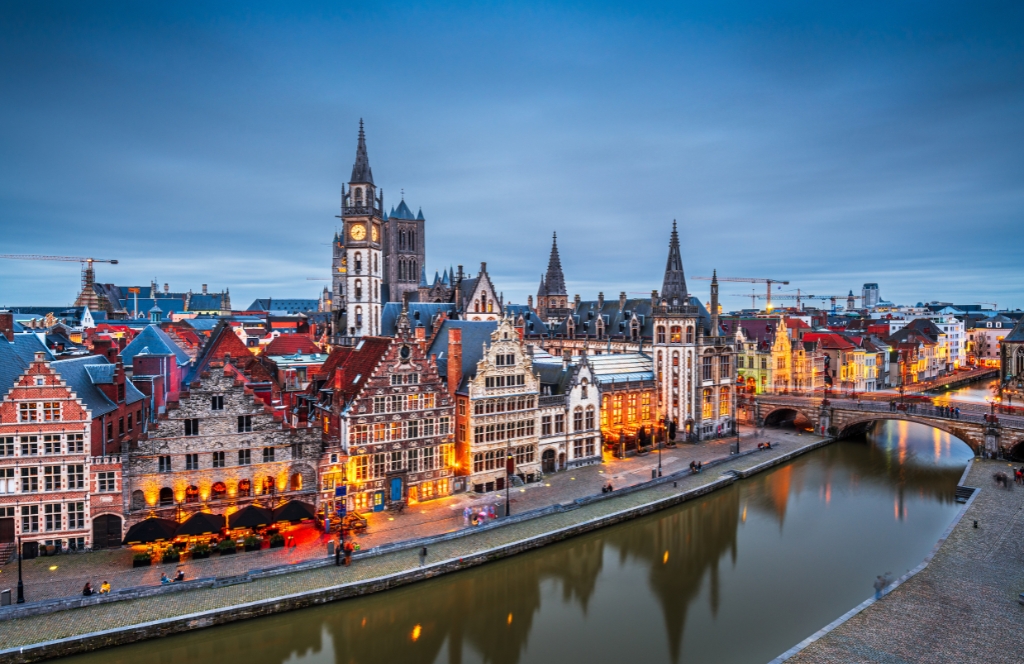
Average Temperature: 34°F - 45°F
Ghent will transport you back in time, offering spectacular medieval sites that only look more magnificent in a snowy climate. As one of Belgium's most popular cities, Ghent is defined by its stunning Gothic architecture, including the Gravensteen Castle and Saint Bavo’s Cathedral.
If you're curious where to travel in January in Europe, Ghent offers a peaceful, off-the-beaten-path destination. This highly walkable destination invites you to wander along the picturesque canals, where you can admire the reflections of the historic buildings in the water. Ghent’s cozy atmosphere in January is perfect for those seeking tranquility. Be sure to try local specialties like Belgian waffles or stoofvlees (a hearty beef stew) in one of the city’s many welcoming pubs.
13. Porto, Portugal: The city of colours and wine
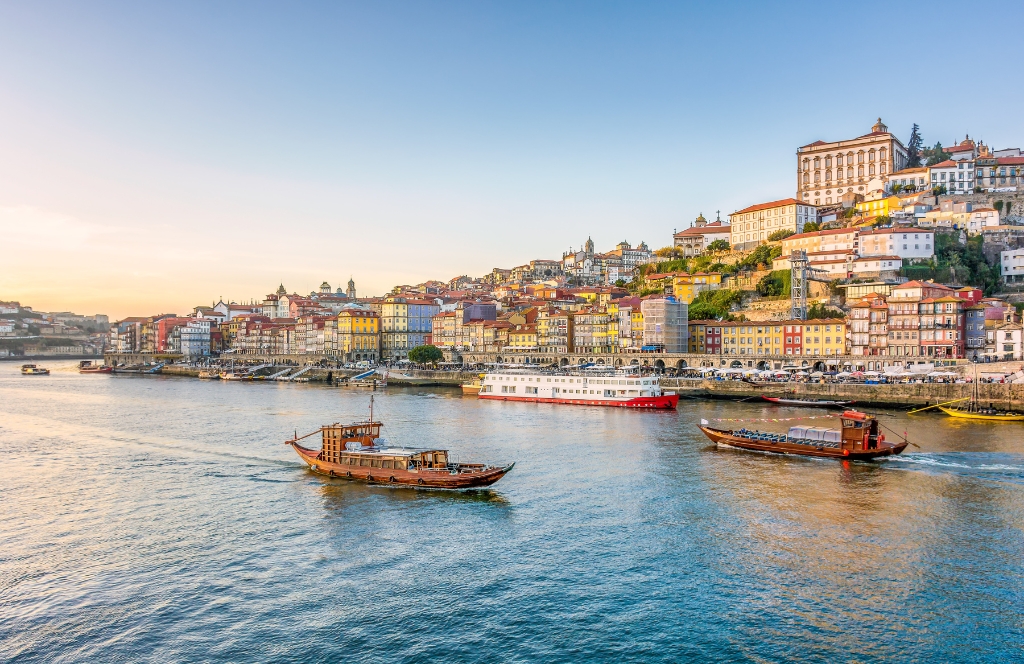
Average Temperature: 45°F - 55°F
Porto, Portugal, in the winter is known for its mild climate and world-famous fortified wine that will warm your soul. Considered one of the best places to travel in Europe in January, Porto shines with the Ribeira district, a UNESCO World Heritage site where colorful old buildings line the riverbank.
A winter stroll here isn't complete without crossing the iconic Dom Luís I Bridge or retreating into a historic cellar to taste the city's signature port wines. While the hilly streets can require some climbing, they reward you with breathtaking viewpoints and hidden traditional taverns tucked away in the vibrant neighborhoods. Cap off your days of exploration with a meal of local seafood, which is especially fresh during the winter months.
14. Cortina d'Ampezzo, Italy: One of the best spots for Skiing and Aprés-ski in Europe
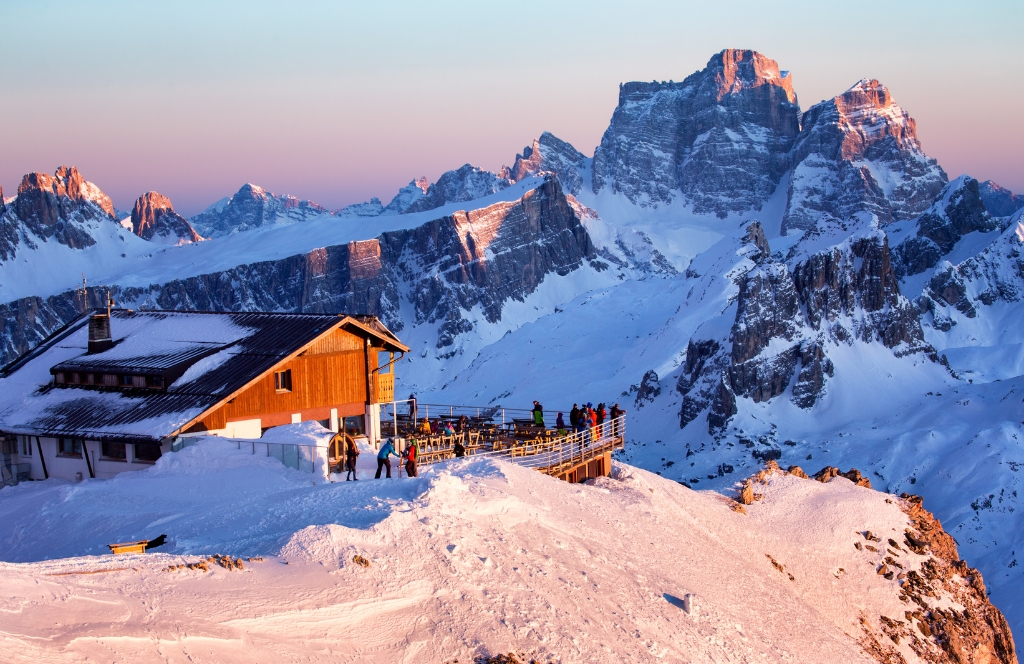
Average Temperature: 23°F - 36°F
Cortina d’Ampezzo is a ski resort destination with a larger-than-life appeal, set against the dramatic backdrop of the Italian Dolomites. Ranking high among the best places to visit in Europe in January, this UNESCO-listed town balances its 1956 Winter Olympics sporting heritage with a fashionable and upscale culture.
While serious athletes carve down the iconic slopes, others flock here purely for the ambiance. The town center, Corso Italia, rivals Milan for high-end boutiques, and the evenings are defined by gourmet Michelin-starred dining and a legendary après-ski scene. Whether you are chasing Michelin stars or fresh powder, Cortina delivers the peak of Italian winter luxury.
15. Granada, Spain: Sun, amazing food, and golden age architecture

Average Temperature: 41°F - 57°F
Granada, Spain, is defined by a stunning visual contrast: the warm, red-stoned Moorish fortress sitting starkly against the snow-capped peaks of the Sierra Nevada. This dramatic backdrop makes it one of the best places to visit in Europe in January, offering a rare mix of experiences you won't find elsewhere.
While summer tourists swelter in long lines, winter travelers can wander the Alhambra Palace and Generalife Gardens in rare solitude. This Andalusian city offers a unique duality where you can spend your morning skiing the nearby slopes, then return to the Albayzín neighborhood by sunset and dive into the city’s legendary free tapas culture.
16. Bergen, Norway: Northern lights, Viking history, and fjord exploration
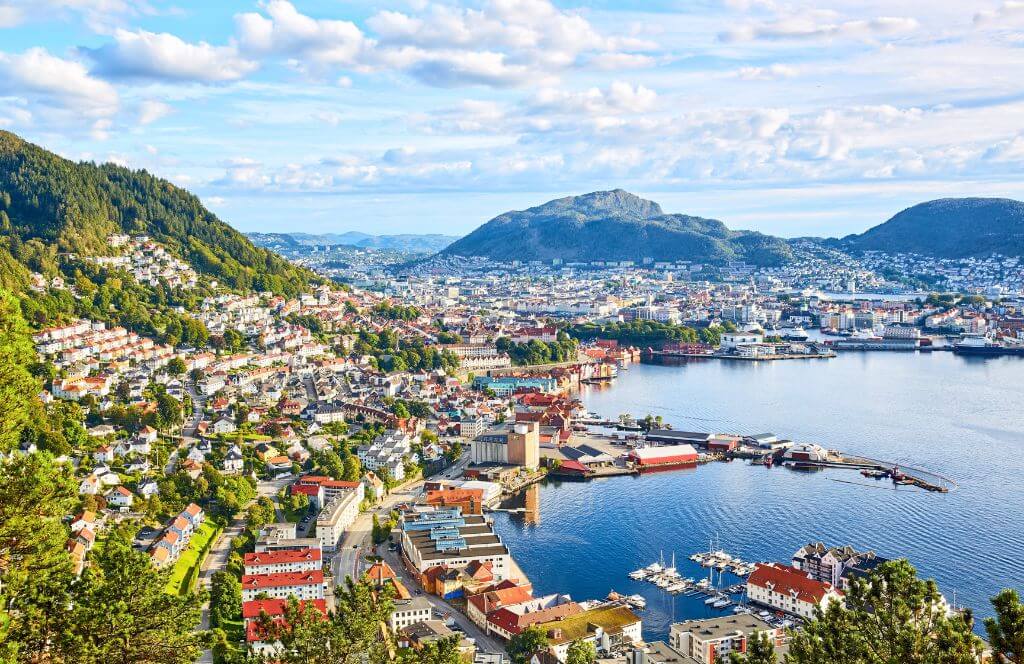
Average Temperature: 32°F - 37°F
Bergen, Norway, offers a moody and magnificent coastal escape, ranking high among the best places to travel in Europe in January. The city’s famous Hanseatic history comes alive at the UNESCO-listed Bryggen wharf, where ancient wooden alleyways feel especially atmospheric when dusted in fresh snow.
Beyond the city center, the harbor acts as the ultimate gateway to the scenic fjords, allowing travelers to trade the open sea for dramatic, frozen landscapes on a winter cruise. Once you have had your fill of the crisp Nordic air, retreat indoors to a candlelit café for a warming cup of gløgg (a traditional mulled wine) to complete the experience.
17. Kotor, Montenegro: Breathtaking landscapes of mountainous lakes
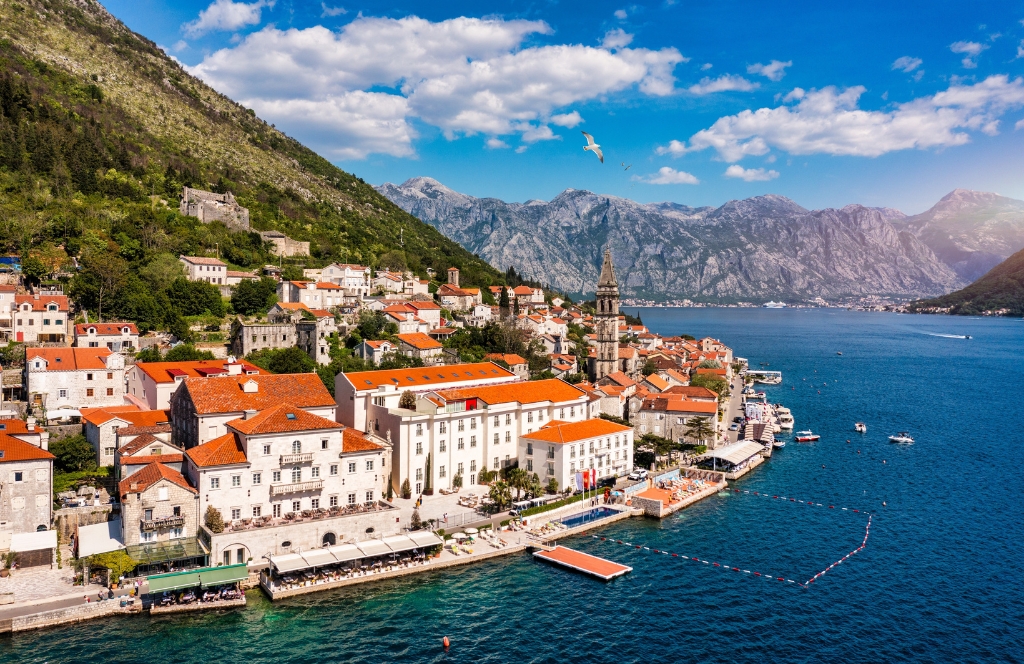
Average Temperature: 41°F - 55°F
Kotor, Montenegro, is defined by its dramatic geography, tucked deep within the fjord-like Bay of Kotor. While summer brings cruise ship crowds that often overwhelm the medieval alleyways, winter restores the town’s moody, atmospheric dignity. This quiet transformation makes it one of the best places to visit in Europe in January, particularly for those who want to hike the ancient city walls without the sweltering heat. The limestone cliffs, often capped with snow, create a stark, beautiful contrast against the dark water. At sea level, you'll be rewarded with authentic local dining options that serve fresh Adriatic seafood by the water's edge.
18. Florence, Italy: Renaissance at its finest
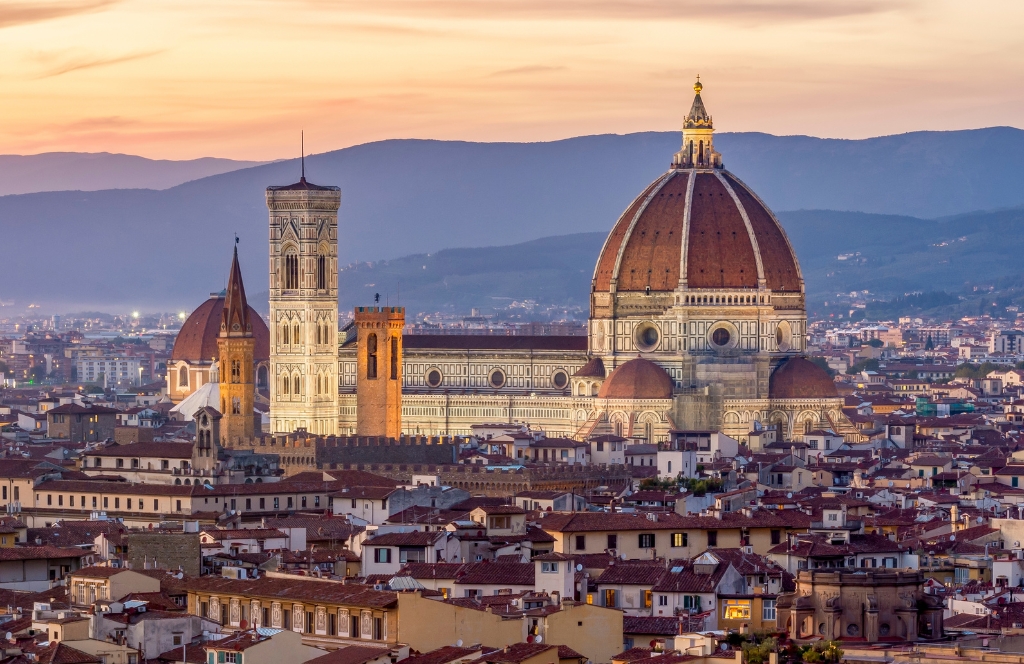
Average Temperature: 37°F - 51°F
Florence is a must-see destination in Italy, no matter what the season, but with fewer crowds in the winter, it easily becomes one of the best places to visit in Europe in January. Established over 2,000 years ago during the Roman Empire, Florence keeps its history alive with plenty of art and treasures for tourists to see, including the Uffizi Gallery and Michelangelo’s David.
As you wander through the historic streets, the winter light gives the Renaissance architecture a soft, magical glow. You can take in the immense personality of this city by climbing to Piazzale Michelangelo for stunning views of the city and the iconic Duomo standing proudly against the Tuscan hills. Florence also has many smaller delights, like warm cafes that serve Italian hot chocolate, known for its rich, thick consistency.
19. Warsaw, Poland: Tradition and style
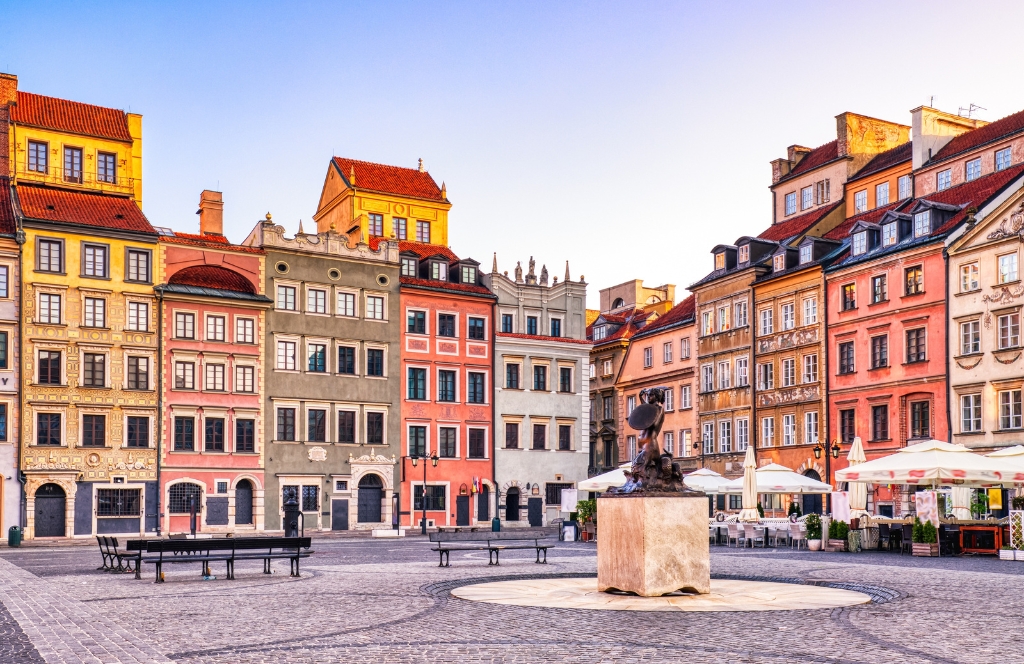
Average Temperature: 28°F - 36°F
Warsaw, Poland, blends deep history with a vibrant modern energy, making it one of the best places to visit in January in Europe. The Old Town, meticulously reconstructed after World War II, takes on a reflective quiet when covered in a fresh blanket of snow.
Beyond the picturesque Market Square and Royal Castle, the city offers profound cultural stops like the Warsaw Uprising Museum and the POLIN Museum of the History of Polish Jews. When the winter chill sets in, the city’s café culture provides the perfect refuge; stop by a local spot to warm up with a cup of hot tea and a traditional Polish pastry, like a jam-filled pączki.
Experience January in Europe with Flightgift!

Ready to start your holiday travel plans with your favorite people? With November offering a perfect blend of mild weather and fewer crowds, it's the ideal time to explore some of the best destinations Europe has to offer. As the holidays approach, why not treat yourself or a loved one to an unforgettable travel experience?
For those who love to book flights and explore every corner of the world, an airline gift card from Flightgift is the perfect travel gift. With the flexibility to book any flight to over 980 global destinations with over 400 major airlines, the next big adventure is just a booking away. Where they go and when they go is up to them to decide. For the ultimate stocking stuffer, customize a physical Flightgift card with a personal photo and message, shipped directly to you (or them) for free!
Make this holiday season even brighter by giving the gift of travel. Because the best experiences are the ones made together. Gift experience over things, with Flightgift by Experiencegift!
FAQs About Traveling to Europe as an American
Do Americans need a visa to travel to Europe in 2026?
Starting in mid-2025, U.S. citizens will need to apply for an ETIAS (European Travel Information and Authorization System) before visiting most European countries. It’s not a visa, but a travel authorization valid for up to three years that allows multiple short stays of up to 90 days within any 180-day period.
What is the best time to book flights to Europe from the U.S.?
Experts recommend booking flights to Europe about 2 to 5 months in advance for the best prices. January and February tend to have lower fares, while summer is usually more expensive. Use flexible date searches to compare across airlines and travel days.
How do Americans handle currency and payments in Europe?
Most European countries use the Euro, though the U.K., Switzerland, and Norway have their own currencies. Visa and Mastercard are widely accepted. It’s best to carry a small amount of cash for taxis or markets, and notify your bank before traveling to prevent card blocks.
Is it safe for Americans to travel around Europe?
Yes, Europe is generally very safe for American travelers. Just stay aware of your surroundings in crowded areas, as pickpocketing can occur. The emergency number 112 works across all EU countries for police, fire, and medical services.
What travel adapters do I need for Europe?
Europe uses Type C, E, and F plugs with 220–240V outlets. U.S. devices use 110V, so bring a universal travel adapter and a voltage converter for non-dual-voltage devices. Most modern phones and laptops only need an adapter.
How can Americans save money while traveling in Europe?
Travel during the shoulder seasons (April–May and September–October), use public transportation, and book train tickets early through Trainline or Rail Europe. Consider using local SIM cards or eSIMs for affordable mobile data and join free walking tours in major cities.
Do I need travel insurance for Europe?
Travel insurance is highly recommended. It covers medical emergencies, lost luggage, trip cancellations, and delays. Healthcare in Europe is excellent, but costs for non-residents can be high without insurance.
Can Americans drive in Europe with a U.S. driver’s license?
Yes, Americans can drive in most European countries with a valid U.S. driver’s license for up to 90 days. However, an International Driving Permit (IDP) is often required. Remember that manual transmission cars are more common in Europe.
What are some essential travel tips for Americans visiting Europe for the first time?
Pack light and wear comfortable shoes—many European streets are cobblestoned. Learn a few local phrases, keep copies of your important documents, and use cross-body bags. Tipping is modest—5–10% or rounding up the bill is usually enough.
Which European destinations are easiest for first-time American travelers?
Cities like Amsterdam, Paris, London, and Barcelona are ideal for first-time visitors thanks to their great infrastructure and English-speaking locals. For a more relaxed vibe, try Lisbon, Prague, or Florence—all are walkable, welcoming, and rich in culture.