



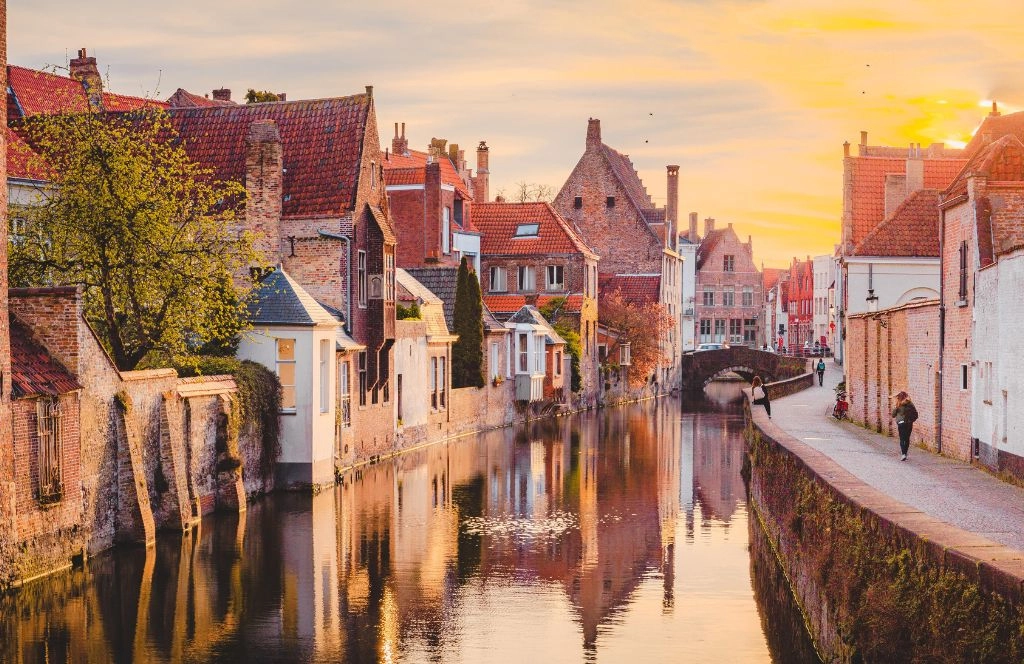
Brussels or Bruges? It's the question almost everyone asks before travelling to Belgium, and there's no easy answer because they're two cities with almost nothing in common.
We've visited both, and we'll give you our honest opinion: it isn't a question of which is better, but of what kind of trip you're after. Here's how we'd approach it:
Our guide to your Belgian getaway: Brussels or Bruges
Whichever you pick, we can promise it'll be a memorable trip. The historic architecture of Belgium's cities, the canals and the food make Belgium one of the must-visit destinations in central Europe. It's perfect for a couples' trip or a winter weekend break, when the Belgian cities are at their most decorated, lit up and full of Christmas markets. If you're after gift ideas to pair with the trip, a Flightgift voucher is an option that always lands well.
Which is cheaper, Bruges or Brussels?
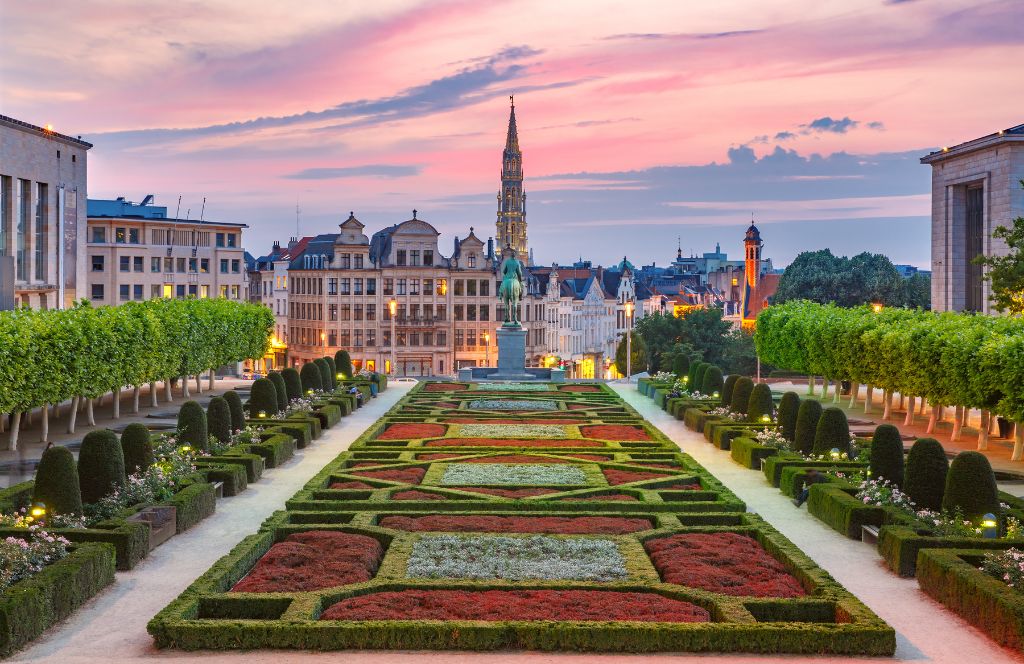
Brussels, no question. Accommodation, restaurants, beer halls and activities tend to come in cheaper than in Bruges, where heavy tourism pushes prices up, especially in the historic centre. In Brussels you can eat well for around £13–17 and find good-quality hotels under £85 a night. In Bruges, the average price for a central hotel sits at £115–140 in peak season.
If you're travelling on a tight budget, Brussels wins clearly.
Which Belgian city has the better weather?
The climate in both cities is similar: Atlantic, with cool winters and mild summers. Average summer temperatures hover around 20–22°C and winter drops to 3–6°C. It rains regularly all year round, so an umbrella and a decent pair of boots are essential whichever month you go.
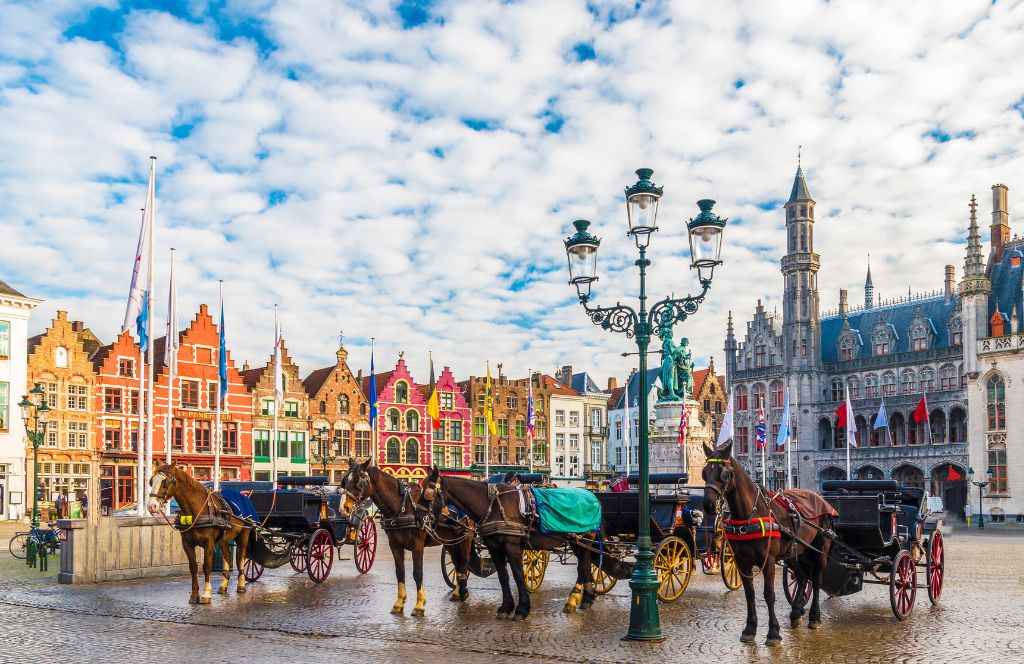
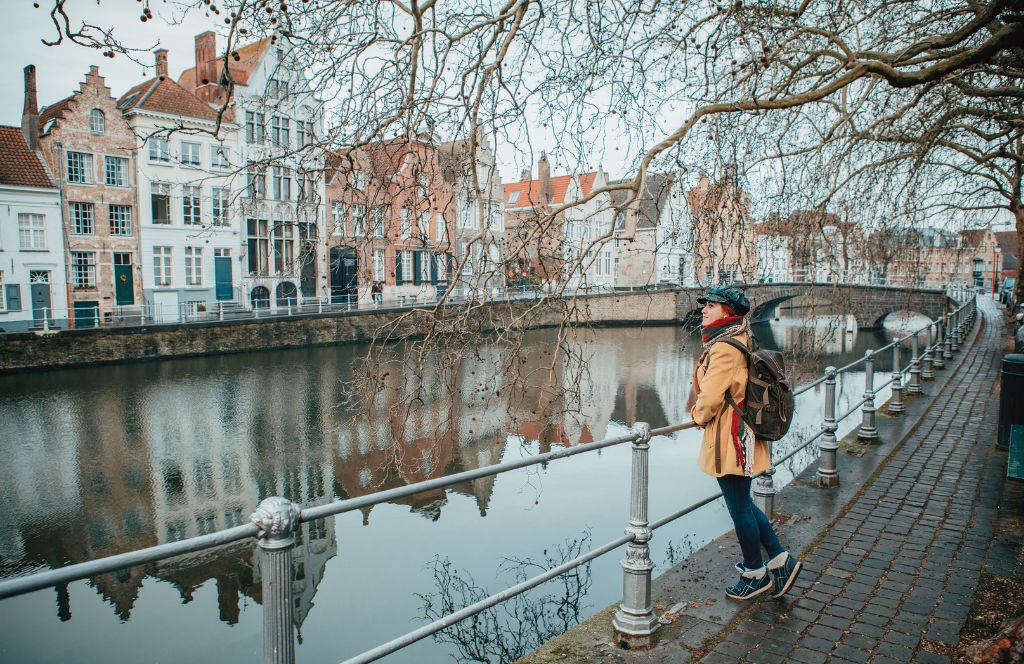
If you visit in winter, Bruges has a clear advantage: its Christmas market and the lit-up old town make it one of Europe's most photogenic destinations in December. Brussels also has Christmas markets, but the atmosphere in Bruges is more intimate and concentrated.
For a Christmas getaway, choose Bruges. The rest of the year, the weather isn't a deciding factor.
Which city has more to offer?
This is where the two cities really part ways.
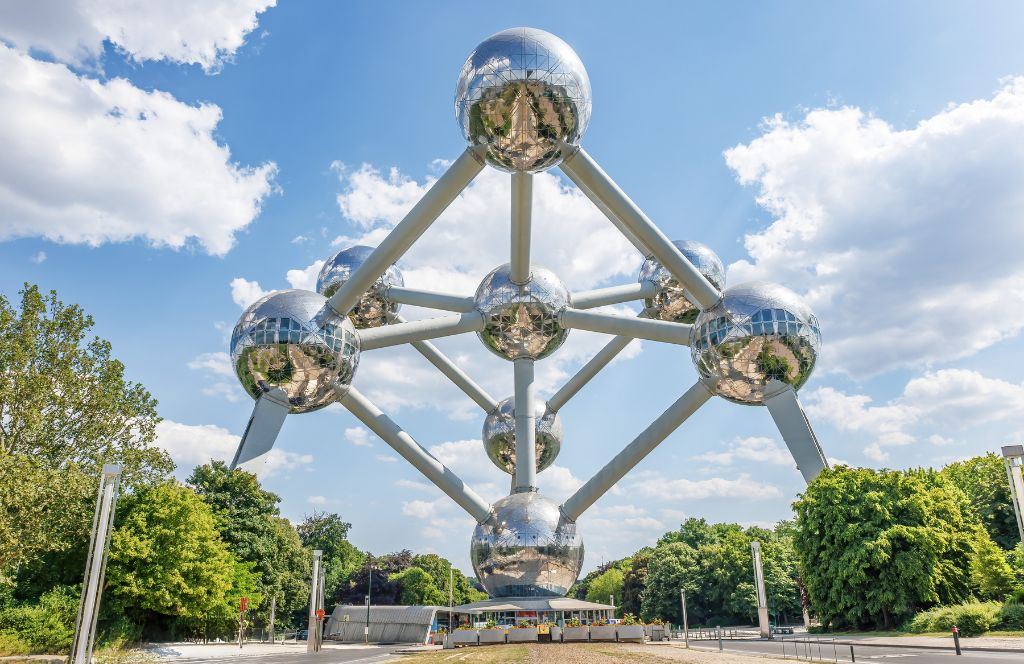
Brussels has more to do, no debate. The Atomium and the Grand Place are the headline attractions, but what surprised us most were the Galeries Royales Saint-Hubert: opened in 1847, they're one of Europe's oldest covered shopping arcades, and the light and architecture stop you in your tracks even if you don't intend to buy a thing. For art lovers, the Royal Museums of Fine Arts and the Magritte Museum will easily eat up a full morning. And if you need air after all that culture, the Parc du Cinquantenaire, with its triumphal arch, is the perfect spot to sit for a while.
Bruges is a different kind of experience. Its historic centre has been a UNESCO World Heritage Site since 2000, and you can tell: every street looks engineered to make you reach for your phone. What stood out most for us wasn't the obvious draw, not the Belfry (366 steps, well worth it) or the canal boat trip, but the Basilica of the Holy Blood on Burg Square: it holds a relic said to contain the blood of Christ, brought from the Holy Land in the 12th century, and the contrast between the Romanesque chapel below and the Gothic one above is one of the best we've seen. The Church of Our Lady is also home to Michelangelo's Madonna and Child, one of the few works of his outside Italy, and here you can see it up close, with no queues or glass between you.
A piece of advice we wish we'd had before going: Bruges between 11am and 5pm is a different city. Day trips from Brussels, Amsterdam and Paris pack it out. If you can stay overnight, do. The city at sunset, once the tour groups have left, has a completely different character and is much more rewarding.
For culture and museums: Brussels. For wandering with no itinerary and getting lost: Bruges.
Where do you eat better, in Bruges or Brussels?
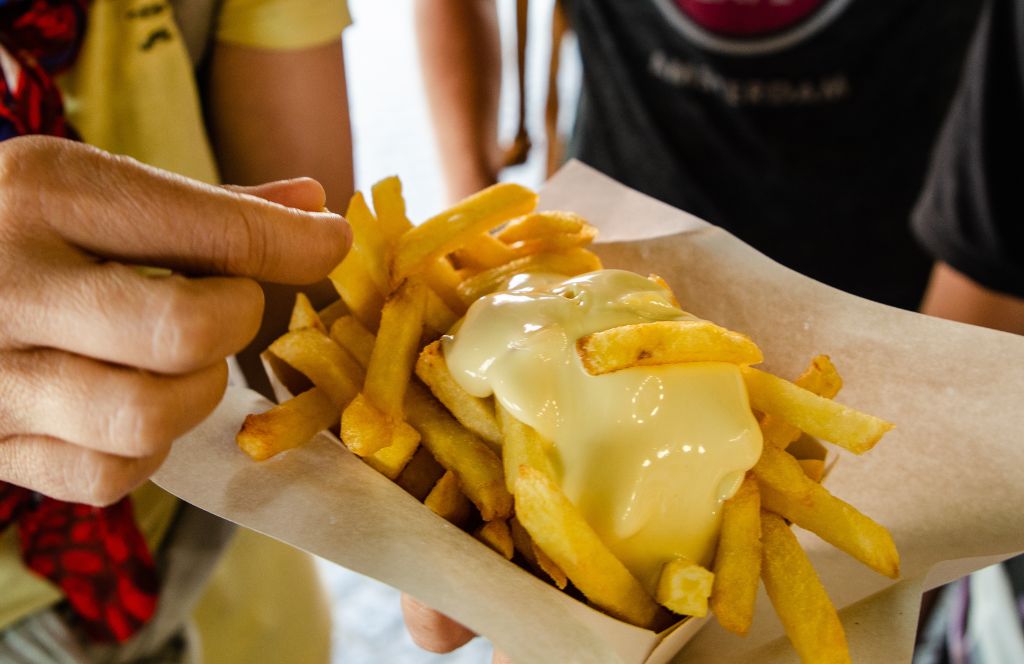
Belgian food is one of the strongest reasons to visit, in either city.
Food and drink in Brussels
Brussels combines traditional Belgian cooking with a very wide international offer. Maison Antoine, on Place Jourdan, is the city's best-known chip stand, and the regular queue tells you all you need to know about its reputation. Belgian beer culture is well represented in any bar in the centre: Trappists, lambics and abbey beers are an essential part of the experience. For seafood, Brasseries Georges is an institution.
Food and drink in Bruges
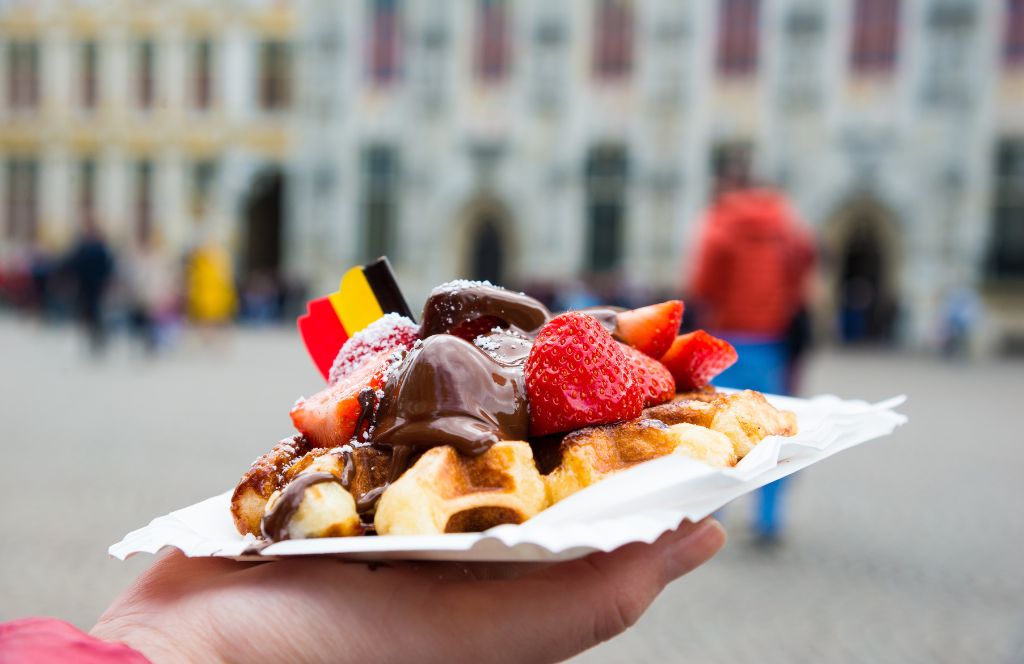
Bruges has a more focused offer, leaning on traditional Flemish cooking. The dishes you can't miss are carbonnade flamande (beef stew cooked in Belgian beer), chicken or fish waterzooi, and North Sea shrimp croquettes. The waffles from the street stalls are a classic that needs no specific recommendation, any one you see open will be worth it.
Both cities have a strong food scene. The difference is that in Brussels you'll find more variety and lower prices, while in Bruges traditional Flemish cooking is more consistently present on the average lunch menu.
Brussels vs Bruges: quick comparison
| Criteria | Brussels | Bruges |
|---|---|---|
| Budget | ✓ Cheaper. Central hotel from £70–85 a night. Lunch menu from £13. | More expensive. Central hotel from £115–140 a night in peak season. |
| Size and pace | Big, busy city. You need transport to move between areas. | ✓ Compact city. The whole centre can be walked in a day. |
| Culture and museums | ✓ More on offer: Atomium, Grand Place, Royal Museums of Fine Arts, Magritte Museum. | The city itself is the museum. Belfry, canals and medieval churches. |
| Food | ✓ More variety and lower prices. Belgian and international cuisine. | Traditional Flemish cooking. Better for authentic moules-frites and waterzooi. |
| Nightlife | ✓ Wide range: bars, clubs and live music until late. | Quiet atmosphere. Ideal for a drink at sunset, not for a night out. |
| Christmas season | Good Christmas markets in the centre. | ✓ One of the most photogenic Christmas markets in Europe. |
| For couples | Good option if you both like museums and varied food. | ✓ More romantic. Canals, medieval architecture and a slow pace. |
| Days needed | Minimum 2–3 days to see the essentials. | ✓ 1–2 days are enough to see the whole centre. |
| Connection between the two | Direct train Brussels Midi → Bruges: 1h10 · from £13 return · departures every hour | |
Restaurants you shouldn't miss on your visit to Belgium
Recommended restaurants in Brussels
Le Bistro Porte de Hal – In the Marolles neighbourhood, traditional Belgian cooking with carbonnade and stoemp. Average price £22. Local feel, well off the tourist circuit.
La Fin de Siècle – Next to the Brussels Stock Exchange. Belgian food without frills at £17–22 per person. No reservations, get there early.
Au Stekerlapatte – Also in Marolles. Home cooking at moderate prices. A good choice for a quiet weekday dinner.
L'Inattendu – Local tavern known for its stoemp with sausage and a strong selection of Belgian beers. Around £17 per person.
Recommended restaurants in Bruges
Bistro 't Zwart Huis – Historic centre, traditional atmosphere. Waterzooi and shrimp croquettes are the headline dishes. Average price £22.
Breydel – De Coninc – Just off Markt square. Specialises in moules-frites and stews. Average price £26. Booking recommended.
Brasserie Leopold – The more affordable option in the centre. Belgian classics at fair prices (around £25).
Belgian dishes you can't leave without trying
On your visit, try at least: moules-frites, carbonnade flamande, waterzooi, shrimp croquettes and Belgian waffles. In Brussels, add the chips from Maison Antoine and a Trappist beer in any bar in the old town.
Tips for eating well without overspending
The lunch menu (between 12pm and 2pm) is usually the best value in both cities: starter, main and a drink for £13–17. Restaurants closest to the Grand Place in Brussels or to Markt in Bruges tend to charge more, walking two streets away makes a real difference. Booking ahead matters in particular in Bruges on spring and summer weekends.
Where to stay in Brussels and Bruges
Brussels has a wide range of accommodation across all price brackets. Business hotels in the centre drop their prices noticeably at weekends, which makes it a good option for weekend breaks with strong value for money.
Hotels in Brussels (highest to lowest price):
Juliana Hotel & Spa - Brussels Centre: Five-star hotel a 9-minute walk from the Grand Place, set in a Victorian building. Indoor heated pool, full spa with sauna and hammam, French restaurant on site. The most upmarket of the three, ideal if you want the spa-and-pool option after a day of sightseeing.
Urban Yard: Boutique three-star set in two restored Art Nouveau townhouses with a small Japanese garden, five minutes' walk from Brussels-Midi station. Strong choice if you're arriving by Eurostar from London or planning day trips by train.
Aparthotel Adagio Access Brussels Europe: Studio apartments with kitchenettes a short walk from the European Parliament and Parc de Bruxelles. The most flexible of the three for families or longer stays, with the option to self-cater rather than eat out every night.
In Bruges, the offer is smaller and more central. Boutique hotels set inside historic buildings are the most highly rated option, although at higher prices. Booking ahead is especially important in peak season (April to October) and at Christmas.
Hotels in Bruges (highest to lowest price):
Barabas Hotel: Boutique B&B in a 16th-century canal-side building, three minutes' walk from the Basilica of the Holy Blood. Suites with canal views, garden breakfast, and one of the most highly rated stays in the centre. The most romantic of the three.
Grand Hotel Casselbergh Bruges: Four-star hotel built from three historic residences and one new wing, right next to Burg Square. 118 rooms, a wellness centre set in 16th-century cellars, and a fireplace lobby. The most central option, best if you want hotel-grade facilities rather than B&B-style.
Hotel Augustyn: Three-star canal-side hotel a 5–10 minute walk from Markt, in a quiet stretch of the centre. Modern rooms, some with canal views, and consistently strong cleanliness and staff scores. The best-value of the three for a short stay.
Where's the best place for a night out, Bruges or Brussels?
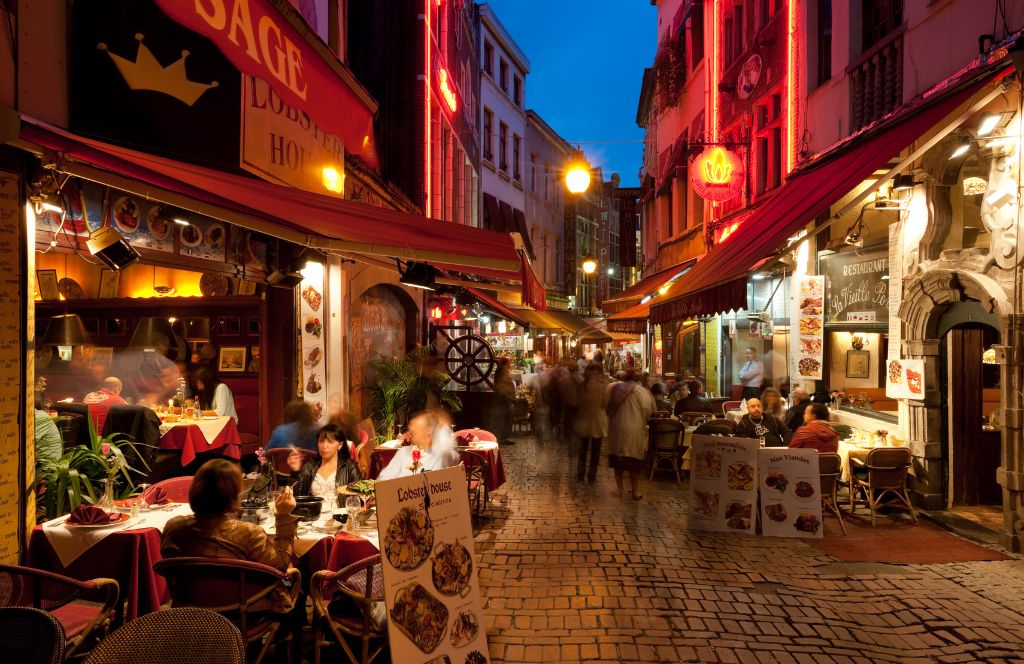
Brussels has no rival on this front. The Saint-Gilles neighbourhood and the Saint-Boniface area are full of bars with a local feel, while the centre offers everything from Belgian beer pubs to clubs with live music. The choice is varied and the atmosphere keeps going late.
Bruges shuts down earlier. It's a city that runs on a daytime rhythm: the canal-side bars are perfect for a quiet drink at sunset, but if you're after an active night out, Brussels is the obvious choice.
So, Brussels or Bruges?
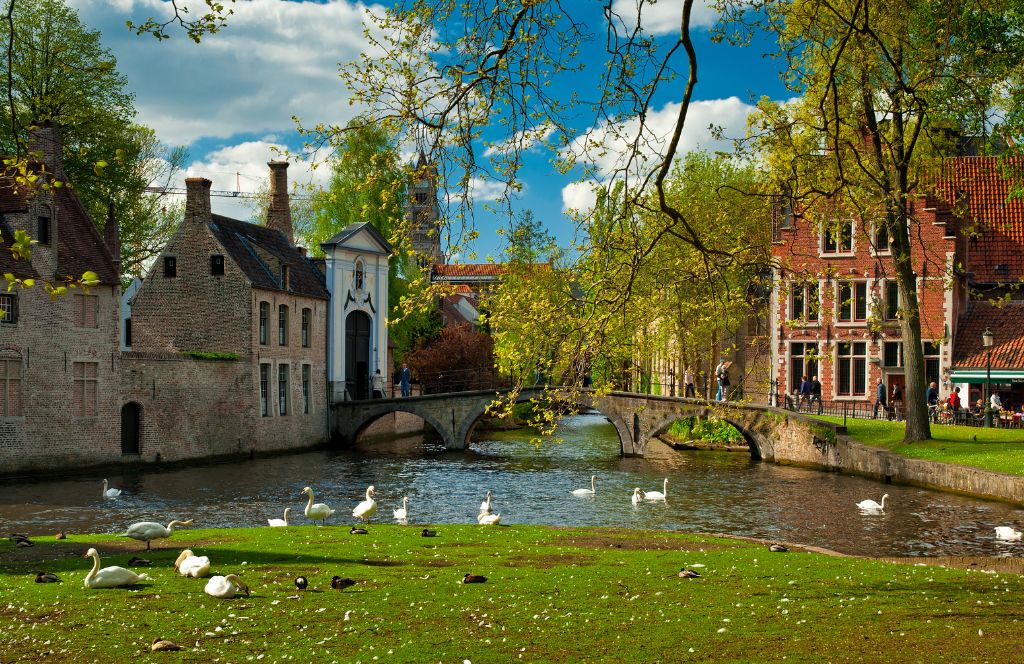
Our recommendation is clear: choose Brussels if you want a dynamic city with plenty of culture, food and nightlife at a better price. It's the natural choice for travellers who want to keep moving, see museums and go out at night.
Choose Bruges if you want a slow pace, medieval streets and a city you can walk in two days. It's perfect for couples' breaks or for those who prefer quality over quantity.
And if you have three or four days, the best option is to combine the two: stay in Brussels and take a day trip to Bruges by train (1h10 from Brussels Midi, tickets from £13 return). That way you don't have to choose. You can book a guided day trip from Brussels to Bruges if you'd rather go with a guide.
If you have four days or more, consider adding Ghent to the itinerary. 30 minutes by train from Brussels, it's the most underrated of the Belgian cities: its canals are comparable to those in Bruges, it has less mass tourism, and the view from St Michael's Bridge over St Bavo's Cathedral, the Belfry and St Nicholas's Church is one of the most spectacular in northern Europe.
Know someone who wants to visit Belgium? Give them a Flightgift voucher
If someone close to you has been talking about visiting Belgium for a while, a flexible Flightgift flight voucher is the most practical present: no fixed date, valid with no expiry date and redeemable across hundreds of airlines. They can also use it to fly business class if they fancy treating themselves on the journey.
Other destinations in Central Europe that you must not miss: